South Carolina · Abbeville · Ready
Diamond Hill Mine — Public Crystal Dig
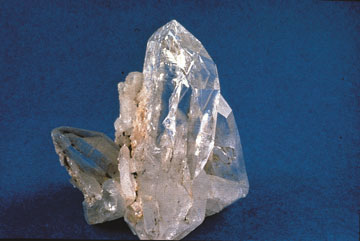 Material reference
LOCATION FIELD MAP
Local field map, land context & nearby records
No exact primary coordinate is published for this record, so the map uses regional context without inventing a specimen pin.
Diamond Hill Mine — Public Crystal Dig is a Ready rockhounding record in Abbeville, South Carolina. The recorded activity or material is native/unsalted quartz crystals including amethyst, smoky quartz, skeletal quartz; associated beryl, garnet and epidote. The recorded manager or operating context is Diamond Hill Mine. Ready means the current evidence supports the modeled activity, but visitors should still recheck current posted rules, closures, hours, fees, claims, collecting limits and site-specific notices before travel.
Can I collect at Diamond Hill Mine — Public Crystal Dig?
Ready. Current operator explicitly invites visitors to collect their own crystals from unsalted mine ground and spoil piles, publishes public-dig rules/fees, daily opening and sign-in requirements, and limits bulk rock removal.
Ready means the current evidence supports the modeled activity, but visitors should still recheck current posted rules, closures, hours, fees, claims, collecting limits and site-specific notices before travel.
Recorded destination: 100 Diamond Mine Rd, Abbeville, SC 29620
What rocks, minerals, fossils or collecting interests are associated with it?
The record lists native/unsalted quartz crystals including amethyst, smoky quartz, skeletal quartz; associated beryl, garnet and epidote. This description is tied to this atlas entry and should be read together with the access status below.
Who manages the place or provides the evidence context?
The recorded manager or context is Diamond Hill Mine.
What evidence supports this status?
The record was last reviewed on 2026-08-29. Evidence and management context: Diamond Hill Mine. Current named South Carolina managed/authorized collecting program passes present authority/access/retention gates.
Source verification: This guide names the recorded evidence or land-manager context but does not provide a direct document-level link establishing collecting permission. Before collecting, confirm the current rule and any applicable restrictions with the named authority.
How precise is the map marker?
Navigation uses the recorded public destination or address for Diamond Hill Mine — Public Crystal Dig. The destination is a travel reference, not a specimen-level promise or a substitute for current access rules.
Checks specific to this location
- Confirm any current permit, fee, booking or operator requirements before travelling.
- Stay out of unstable mine workings and inspect the access, ownership and safety restrictions from current official notices.
- Verify the exact destination, the land manager’s latest rules and safe travel conditions before leaving.
When was this information last checked?
The recorded review date is August 29, 2026. Treat that date as the evidence snapshot used for this classification. Conditions can change after review, so field decisions should use the newest posted rules and manager information.
Is a map pin the same as collecting permission?
No. A map pin answers a navigation or geographic-context question. The status and evidence answer the permission question. Exact coordinates, public destination addresses and approximate county or regional context are deliberately kept separate so geographic precision is not confused with legal authority.
Diamond Hill Mine: authorized crystal digging
This fee-based mine is an operator-defined mineral collecting opportunity. Confirm the current opening day, entry fees, approved digging zones, tools and take-home rules. Quartz crystals may occur in several habits; do not enter adjacent private parcels or assume a regional quartz-bearing hillside is covered by the mine’s permission.
LOCATION-SPECIFIC FIELD ANSWER
Diamond Hill Mine — Public Crystal Dig rockhounding: why this is a stronger field lead
The atlas currently classifies this record as Ready. That means the modeled activity has stronger supporting evidence than a Research-only pin, but current posted rules, claims, closures and site conditions still control the trip.
What rocks or minerals are associated with Diamond Hill Mine — Public Crystal Dig?
The record associates this place with native/unsalted quartz crystals including amethyst, smoky quartz, skeletal quartz; associated beryl, garnet and epidote. That association is a field-research lead, not a guarantee that material can be found or legally collected at every point around the marker.
What should be checked before visiting?
The current manager or evidence context is Diamond Hill Mine. Verify that authority and the exact parcel or boundary before relying on access information. Ready means the current evidence supports the modeled activity, but visitors should still recheck current posted rules, closures, hours, fees, claims, collecting limits and site-specific notices before travel. The evidence snapshot was last checked 2026-08-29.
How should this record be used for “rockhounding near me”?
This record is eligible for the site’s Rockhounding Near Me planning layer because its status and geographic context meet the current eligibility rules.
COMMUNITY FIELD INTELLIGENCE
Public Testimony & Field Stories
Approved visitor reports add real-world context to the official and geological evidence above. Community testimony never overrides land-manager rules, ownership, claims, closures or protected-resource law.