Idaho Rock Identification: 14 Rocks, Minerals & Gems to Know
Idaho is best approached as a material-and-access problem: star garnet and opal have strong managed field contexts, while quartz-family material, volcanic rocks, petrified wood and mining-district minerals require more careful locality and land-status checks.
What should I look for in Idaho?
Start with star garnet, garnet, precious/common opal, quartz, chalcedony, agate, jasper, petrified wood, basalt, obsidian, feldspar, calcite and mining-district sulfides. The strongest current atlas anchors are Emerald Creek and Spencer.
Identify likely materials using texture, hardness, cleavage, structure and locality context.
Assume that a mineral occurrence, park, mine district or public road creates collecting permission.
The Idaho state guide for current map status, access evidence and regional planning.
FAST COMPARISON
Idaho rock and mineral identification table
| Material | Field clue | Idaho context |
|---|---|---|
| Star garnet | Asterism may appear as a star on properly oriented polished material. | Emerald Creek garnet country |
| Garnet | Equant crystals, no cleavage, relatively high hardness. | Metamorphic and placer context |
| Precious opal | Play-of-color from internal silica structure. | Spencer opal country |
| Common opal | Waxy to vitreous luster without play-of-color. | Silica-rich volcanic context |
| Quartz | Hardness 7, glassy luster, no cleavage. | Veins and silica-rich rocks |
| Chalcedony | Dense microcrystalline silica with waxy luster. | Cavities and weathered volcanic rock |
| Agate | Banded or patterned chalcedony, often partly translucent. | Silica-rich nodules and gravels |
| Jasper | Opaque microcrystalline silica, commonly red or brown. | Volcanic and sedimentary contexts |
| Petrified wood | Preserved wood grain or cellular structure mineralized by silica. | Silicified fossil context |
| Basalt | Dark fine-grained volcanic rock. | Snake River Plain and volcanic landscapes |
| Obsidian | Natural volcanic glass with sharp conchoidal fracture. | Volcanic context |
| Feldspar | Two good cleavage directions; common in igneous rocks. | Granitic and pegmatitic context |
| Calcite | Hardness 3 with rhombohedral cleavage. | Veins and carbonate settings |
| Mining-district sulfides | Metallic luster and high density in ore contexts. | Historic mine and prospect research |
MATERIAL-BY-MATERIAL GUIDE
14 Idaho rocks, minerals, gems and fossils to know
Star garnet
A garnet variety famous in Idaho; star effect depends on internal inclusions and orientation.
Garnet
Ordinary garnet may be red, purple-brown or dark and can occur with mica-rich rocks.
Precious opal
Precious opal can flash multiple colors as viewing angle changes.
Common opal
Common opal may be white, cream, orange or translucent and lacks the spectral play of precious opal.
Quartz
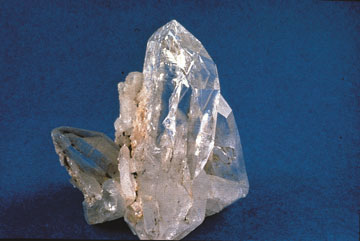
Quartz is widespread and may be clear, smoky, milky or massive.
Chalcedony
Chalcedony can form nodules, cavity linings and agate.
Agate
Weathered agate may hide banding beneath a rough rind.
Jasper
Jasper is silica-rich and durable with strong color caused by impurities.
Petrified wood
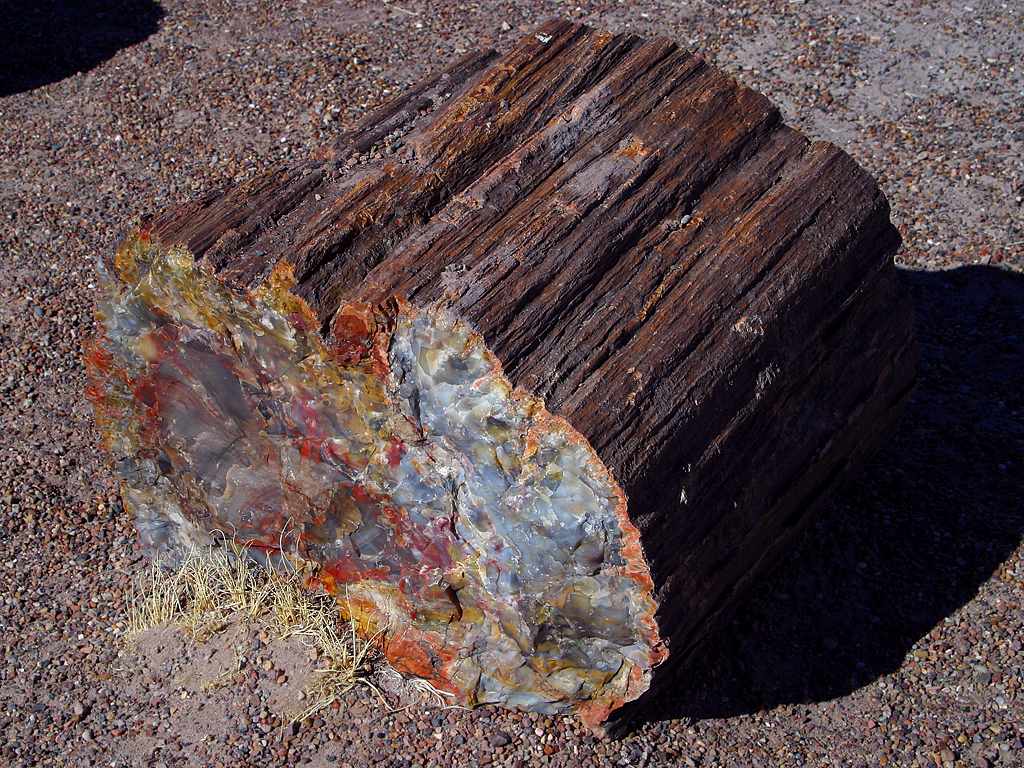
Convincing biological structure matters more than wood-like color.
Basalt
Basalt may be dense or vesicular depending on gas content.
Obsidian
Fresh obsidian is glassy and can be black, brown or banded.
Feldspar
Feldspar may be white, cream, pink or gray.
Calcite
Calcite is easily scratched with steel and reacts differently from quartz in field tests.
Mining-district sulfides
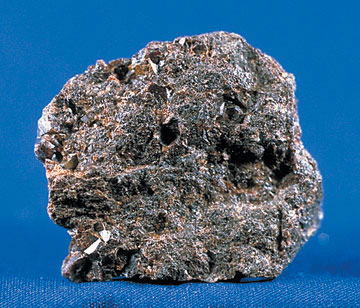
Pyrite, galena and related sulfides require crystal, streak, density and locality context.
REAL ATLAS CONTEXT
Open Idaho records that show these materials in context
These are live atlas records with explicit evidence statuses. A Research or Protected record is useful for identification and geology but is not a collecting recommendation.
Emerald Creek Garnet Area
Material: star garnet and managed garnet-area context
Use the live guide status and current operating program rather than assuming general forest collection.
Spencer Opal Mines
Material: precious and common opal context
Operator access, digging rules and current visitor conditions control the field decision.
AVOID THE EASY MISIDENTIFICATIONS
4 Idaho look-alikes worth separating
Star garnet vs ordinary garnet
Asterism is an optical effect requiring correct inclusions, cut and orientation; most garnet will not show a star.
Opal vs chalcedony
Opal is generally softer and may show play-of-color or a waxier look; chalcedony is quartz-family silica and harder.
Quartz vs calcite
Quartz is hardness 7 and lacks cleavage; calcite is hardness 3 and commonly shows rhombohedral cleavage.
Obsidian vs man-made glass
Natural context, weathering and fracture matter; archaeological worked glassy stone is a cultural resource, not a specimen target.
A BETTER FIELD ROUTINE
A 5-step way to identify a Idaho find without overcalling it
Note whether the specimen came from bedrock, gravel, quarry material, a managed dig, shoreline, mine context or glacial sediment.
Weathering can hide luster, grain size, fossil structure and cleavage. Use an existing chip or break when possible.
Look for crystal faces, cleavage, banding, fossil architecture, cavities, fused grains, vesicles or metallic texture.
Hardness, heft, cleavage, malleability or fossil symmetry often separates two look-alikes better than color.
A known occurrence makes an ID more plausible, not automatic. Keep uncertainty visible and use the atlas record as context.
IDENTIFICATION ≠ COLLECTION AUTHORITY
Knowing what a specimen is does not tell you whether you can take it
The Forest Service describes Emerald Creek as a unique managed garnet collection area with advance-ticket controls, while Spencer is a separate mine/operator context. General National Forest or public-land access should not be treated as statewide mineral-collection permission.
CHOOSE THE RIGHT NEXT GUIDE
Continue through the atlas based on what you want to do next
COMMON QUESTIONS
Idaho rock identification: quick answers
What gem is Idaho especially known for?
The atlas emphasizes star garnet and opal because both have strong Idaho locality context.
Where is the strongest garnet context in the atlas?
Use the Emerald Creek Garnet Area guide and follow its current status and operating rules.
Where is the strongest opal context?
Use the Spencer Opal Mines guide for current visitor and access context.
Can I collect on any Idaho National Forest land?
No. Claims, withdrawn areas, wilderness, archaeological resources and site-specific restrictions can change the answer.
How do I tell quartz from opal?
Quartz is crystalline or microcrystalline silica with hardness 7; opal is hydrated amorphous silica and is generally softer.
Are old mines good collecting places?
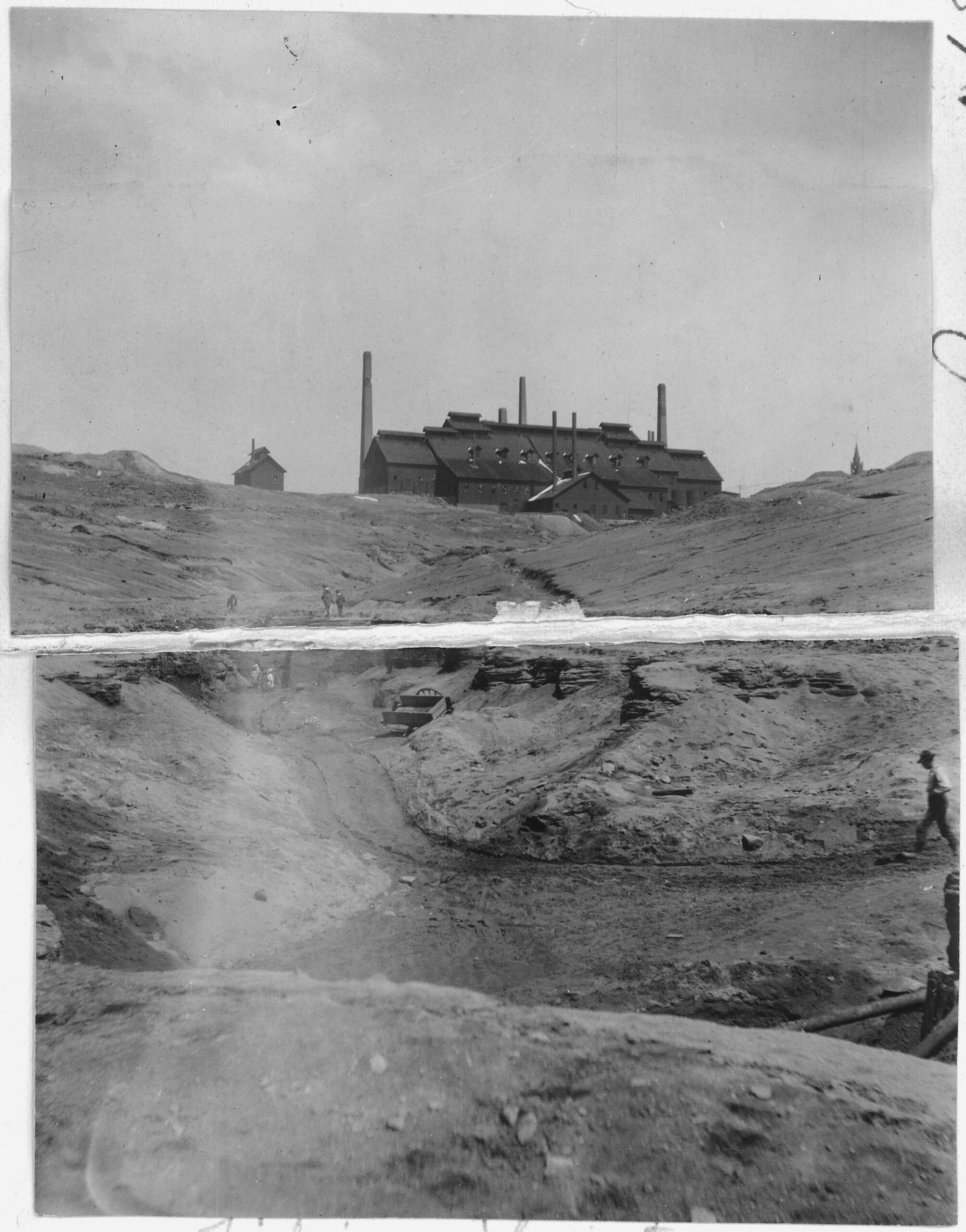
They are useful research context, but abandoned workings can be unstable, contaminated, private or claim-affected. Do not infer entry permission from a mine name.