Illinois Rock & Fossil Identification: 18 Materials to Know
Illinois combines southern fluorspar mineralization, Mazon Creek fossil preservation, Upper Mississippi lead-zinc geology, geodes, glacial beach stones and protected sandstone landscapes. Identification is strongest when specimen properties are paired with the exact district and its current access status.
What should I look for in Illinois?
Prioritize fluorite, calcite, barite, galena, sphalerite, geodes, quartz, chert, siderite concretions, Tully monster and plant fossils, crinoids, brachiopods, bryozoans, sandstone, dolostone and glacial beach stones.
Identify likely materials using texture, hardness, cleavage, structure and locality context.
Assume that a mineral occurrence, park, mine district or public road creates collecting permission.
The Illinois state guide for current map status, access evidence and regional planning.
FAST COMPARISON
Illinois rock and mineral identification table
| Material | Field clue | Illinois context |
|---|---|---|
| Fluorite | Commonly cubic crystals with perfect octahedral cleavage. | Cave-in-Rock / Rosiclare fluorspar district |
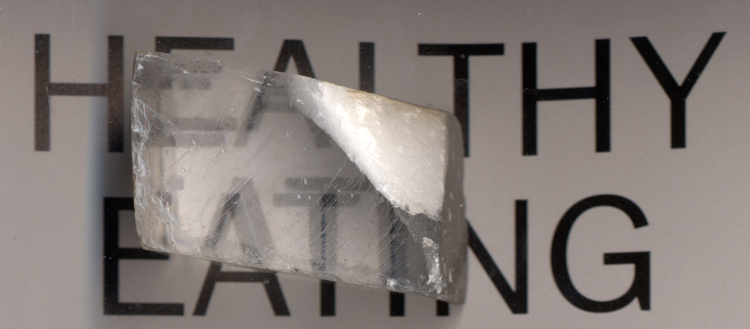
| Calcite | Hardness 3 and rhombohedral cleavage. | Fluorspar and carbonate districts |
| Barite | Very dense nonmetallic mineral. | Southern Illinois mineral districts |
| Galena | Metallic gray, very dense, cubic cleavage. | Upper Mississippi lead-zinc district |
| Sphalerite | Resinous luster, yellow-brown to black. | Lead-zinc mineralization |
| Geodes | Rounded nodules with mineral-lined cavities. | Mississippi River and carbonate contexts |
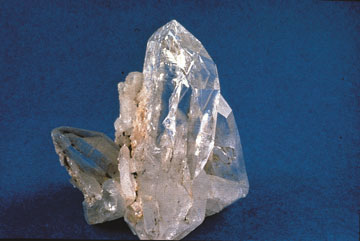
| Quartz | Hardness 7, glassy luster, no cleavage. | Geodes and gravels |
| Chert | Dense microcrystalline silica with conchoidal fracture. | Carbonate bedrock and glacial gravel |
| Siderite concretion | Iron-carbonate concretion that may split around fossils. | Mazon Creek |
| Tully monster fossil | Soft-bodied fossil preserved in Mazon Creek concretions. | Mazon Creek research |
| Plant fossils | Leaves, stems and fern-like impressions. | Pennsylvanian coal and Mazon Creek context |
| Crinoids | Disk-like stem segments with central holes. | Mississippian limestone |
| Brachiopods | Marine shells symmetric through each valve. | Paleozoic limestone |
| Bryozoans | Branching or net-like colonies with tiny repeated openings. | Marine limestone |
| Sandstone | Visible sand-sized grains and sedimentary bedding. | Starved Rock / Matthiessen canyon geology |
| Dolostone | Carbonate rock rich in dolomite. | Northern and western Illinois |
| Glacial erratics | Rock types transported from distant source areas. | Northern Illinois drift |
| Lake Michigan beach stones | Mixed glacial and shoreline gravel. | Illinois Beach / Lake Michigan |
MATERIAL-BY-MATERIAL GUIDE
18 Illinois rocks, minerals, gems and fossils to know
Fluorite
Fluorite can be purple, clear, yellow, blue or multicolored and is relatively soft.
Calcite
Calcite commonly accompanies fluorite and lead-zinc minerals.
Barite
Barite can occur as pale or colorless crystals and feels unexpectedly heavy.
Galena
Galena is lead sulfide and typically breaks into blocky cubes.
Sphalerite
Sphalerite may occur with galena, calcite and dolomite.
Geodes
Illinois geodes may contain quartz and calcite.
Quartz
Quartz commonly lines geodes and occurs in transported gravel.
Chert
Chert occurs as nodules and fragments in sedimentary settings.
Siderite concretion
Mazon Creek fossils are famous for preservation inside siderite concretions.
Tully monster fossil
Tullimonstrum is Illinois’s iconic Mazon Creek fossil context.
Plant fossils
Plant fossils may occur inside concretions or shale.
Crinoids
Crinoid fragments can be abundant in limestone.
Brachiopods
Brachiopods are common Illinois marine fossils.
Bryozoans
Bryozoan texture is repetitive at small scale.
Sandstone
Illinois scenic canyon sandstone is geologically important but often protected.
Dolostone
Dolostone may host lead-zinc mineralization and fossils.
Glacial erratics
Erratics may not match local bedrock and can include igneous or metamorphic rocks.
Lake Michigan beach stones
Beach stones can include chert, dolostone, fossils and erratics.
REAL ATLAS CONTEXT
Open Illinois records that show these materials in context
These are live atlas records with explicit evidence statuses. A Research or Protected record is useful for identification and geology but is not a collecting recommendation.
Mazonia-Braidwood Fossil Collecting Program
Material: Mazon Creek fossils and siderite concretions
A managed IDNR fossil-hunting context with a permit requirement and seasonal collecting window.
Cave-in-Rock Fluorite District
Material: fluorite, calcite, barite, sphalerite and galena
Excellent mineral-identification context, but district reputation is not collecting permission.
Illinois Tully Monster Fossil Research
Material: Tullimonstrum and Mazon Creek concretions
Use for fossil recognition and scientific context rather than as an automatic field destination.
Galena / Upper Mississippi Valley Lead-Zinc District
Material: galena, sphalerite, calcite and dolomite
Strong ore-mineral context where ownership and old-mine hazards remain central.
Shawnee National Forest Recreational Gold Panning
Material: placer-gold and stream-sediment context
A Conditional record means exact stream, forest rules and method still require verification.
AVOID THE EASY MISIDENTIFICATIONS
5 Illinois look-alikes worth separating
Fluorite vs quartz
Fluorite is softer and cleaves; quartz is hardness 7 and fractures rather than cleaving.
Galena vs dark nonmetallic rock
Galena is extremely dense, metallic and breaks in cubic cleavage; most dark rocks do not.
Geode vs siderite concretion
Geodes are cavity-bearing nodules; Mazon Creek concretions are commonly solid iron-carbonate hosts for fossils.
Brachiopod vs bivalve
Brachiopods are typically symmetric through each valve, while bivalves are symmetric between the two valves.
Sandstone vs quartzite
Sandstone commonly breaks around grains; quartzite tends to fracture across fused quartz grains.
A BETTER FIELD ROUTINE
A 5-step way to identify a Illinois find without overcalling it
Note whether the specimen came from bedrock, gravel, quarry material, a managed dig, shoreline, mine context or glacial sediment.
Weathering can hide luster, grain size, fossil structure and cleavage. Use an existing chip or break when possible.
Look for crystal faces, cleavage, banding, fossil architecture, cavities, fused grains, vesicles or metallic texture.
Hardness, heft, cleavage, malleability or fossil symmetry often separates two look-alikes better than color.
A known occurrence makes an ID more plausible, not automatic. Keep uncertainty visible and use the atlas record as context.
IDENTIFICATION ≠ COLLECTION AUTHORITY
Knowing what a specimen is does not tell you whether you can take it
Illinois DNR currently identifies Mazonia-Braidwood as a fossil-hunting site with a day permit and a seasonal collecting window. That managed program does not extend to all Mazon Creek exposures, and state parks, natural areas, mines and mineral districts each require separate access checks.
CHOOSE THE RIGHT NEXT GUIDE
Continue through the atlas based on what you want to do next
COMMON QUESTIONS
Illinois rock identification: quick answers
Where can I legally hunt Mazon Creek fossils?
The atlas’s strongest managed context is Mazonia-Braidwood, whose current site rules include a permit and seasonal restrictions.
What mineral is southern Illinois famous for?
The Cave-in-Rock and Rosiclare area is strongly associated with fluorite and related calcite, barite, galena and sphalerite mineralization.
What is a Mazon Creek concretion?
It is commonly a siderite-rich concretion that can split to reveal exceptionally preserved Pennsylvanian plant or animal fossils.
Can I collect in Illinois state parks?
Do not assume so. Many parks protect rocks, fossils and natural formations even when geology is publicly accessible for viewing.
How do I identify galena?
Look for metallic gray color, very high density and cubic cleavage. Avoid destructive testing on potentially valuable or historically significant specimens.
Are all Lake Michigan beach stones local Illinois rocks?
No. Glacial transport brought rock types from distant source areas, so beach gravel can contain many lithologies unlike local bedrock.