Texas Rock, Mineral & Fossil Identification Field Guide
Use physical properties, geology and live atlas context together. This guide groups the main Texas material families represented by the current atlas and links them to real records with evidence status.

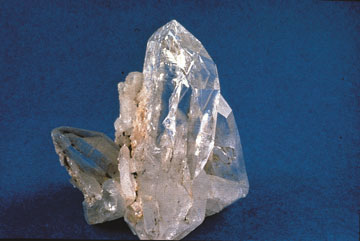
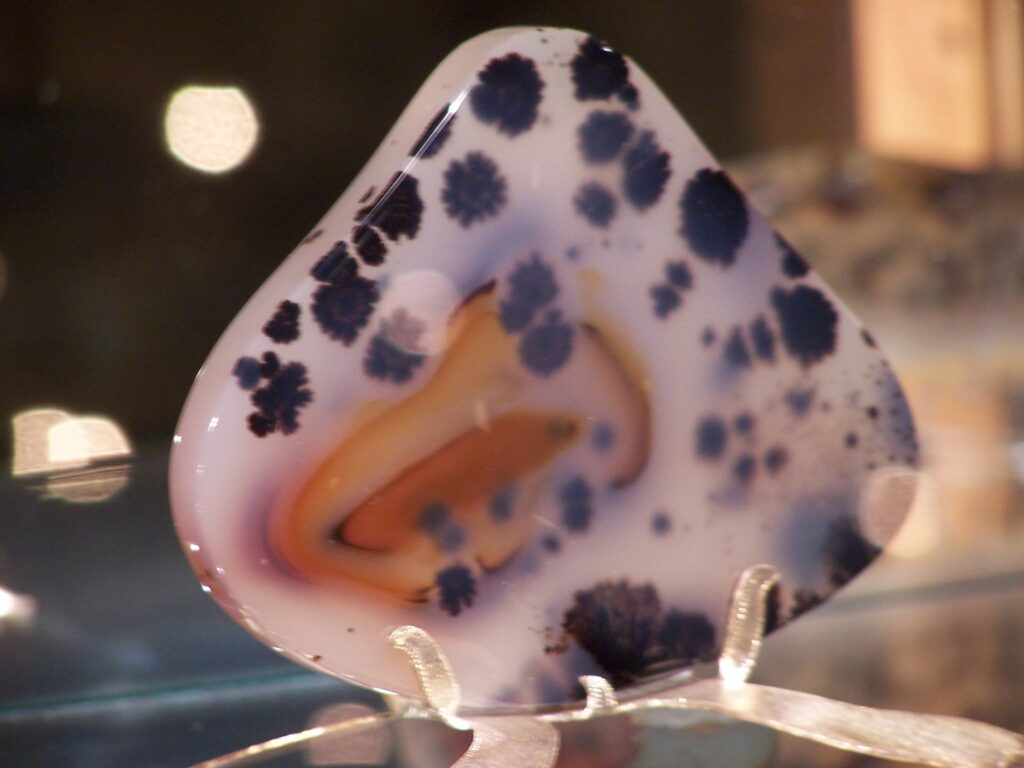
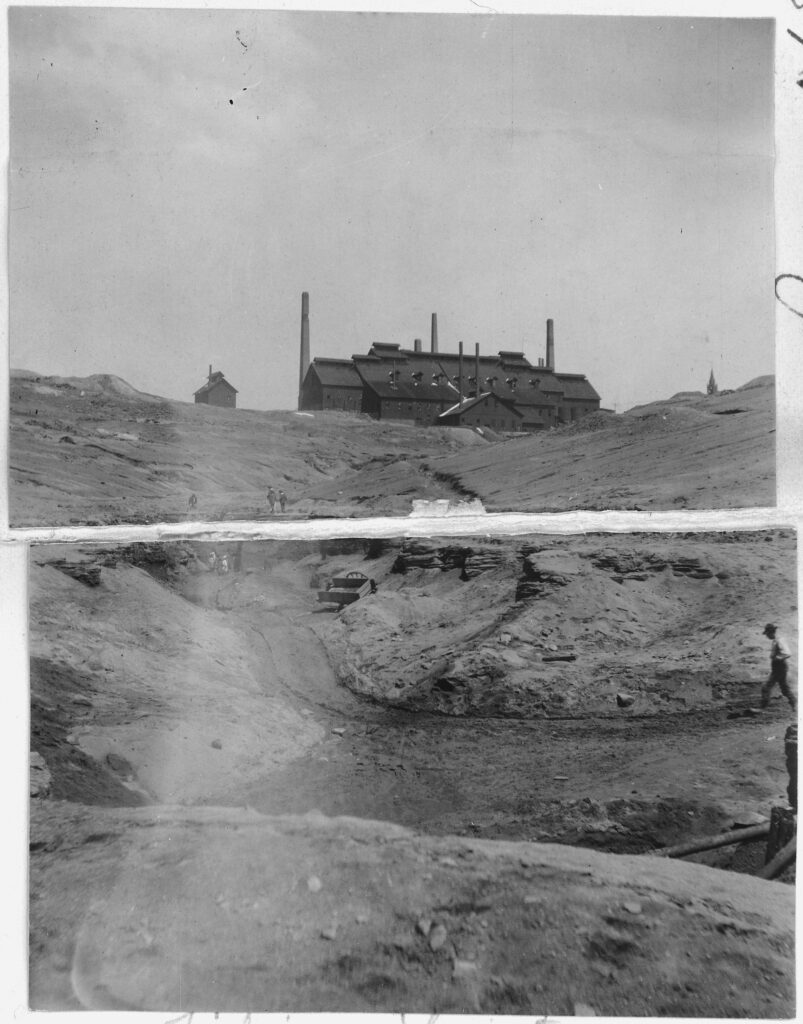
What should I look for in Texas?
Start with Mineral Wells & Pennsylvanian Fossils, Mason County Topaz, Agate, Jasper & West Texas Silica, Quartz, Amethyst & Pegmatite, Calcite, Geodes & Limestone, Shark Teeth & Cretaceous Marine Fossils, Alibates Flint & Protected Cultural Stone, Historic Mineral Districts. A material match is only an identification clue; the individual atlas record still controls the access and permission decision.
Compare hardness, cleavage, texture, crystal form, fossil structure and locality context.
Assume a mineral occurrence, park, mine, quarry or public road creates collecting permission.
The Texas state guide for current status, regional hubs and land context.
FAST COMPARISON
Texas rock and mineral identification table
| Material family | Field clue | Atlas signal |
|---|---|---|
| Mineral Wells & Pennsylvanian Fossils | Repeated biological structure, symmetry or preserved anatomy. | 79 matching records |
| Mason County Topaz | Hard prismatic crystal with perfect basal cleavage. | 5 matching records |
| Agate, Jasper & West Texas Silica | Banded microcrystalline silica, often translucent at edges. | 9 matching records |
| Quartz, Amethyst & Pegmatite | Hardness 7, glassy luster, no cleavage. | 10 matching records |
| Calcite, Geodes & Limestone | Hardness 3 with strong rhombohedral cleavage. | 17 matching records |
| Shark Teeth & Cretaceous Marine Fossils | Use texture, hardness, cleavage and locality together. | 22 matching records |
| Alibates Flint & Protected Cultural Stone | Use texture, hardness, cleavage and locality together. | 2 matching records |
| Historic Mineral Districts | Dense yellow metallic grains; malleable rather than brittle. | 348 matching records |
MATERIAL-BY-MATERIAL GUIDE
Texas material families to know
Mineral Wells & Pennsylvanian Fossils
Look for organized shell, bone, track or plant structure.
Texas field context: The City of Mineral Wells operates a designated fossil park for personal surface collecting. Other fossil areas have their own restrictions.
Current atlas: 79 matching records. Examples: Mineral Wells Fossil Park — Designated Fossil Collecting Area, Ladonia Fossil Park — North Sulphur River Designated Public Fossil Park.
Mason County Topaz
Use hardness plus cleavage.
Texas field context: Texas blue topaz and clear topaz have a historic Mason County mineral association, usually accessed via private-ranch programs.
Current atlas: 5 matching records. Examples: Mason County September 2026 Private Topaz & Crystal Hunt, Texas Hill Country Geode Context.
Agate, Jasper & West Texas Silica
Look for silica hardness and banding.
Texas field context: West Texas desert and volcanic rock contains agate/jasper but land is predominantly private and park collections prohibited.
Current atlas: 9 matching records. Examples: Alpine / Brewster County Agate Context, Woodward Ranch Agate Historic Locality.
Quartz, Amethyst & Pegmatite
Check fracture, hardness and host rock.
Texas field context: Central Texas and the Llano Uplift include hard-rock pegmatites; visit only with verified authorization.
Current atlas: 10 matching records. Examples: Bastrop County Geode / Sedimentary Mineral Context, Blanco County Granite / Hill Country Mineral Context.
Calcite, Geodes & Limestone
Common in limestone, caves, veins and geodes.
Texas field context: Carbonate areas across central and northern Texas include fossils and crystal research without universal collecting rights.
Current atlas: 17 matching records. Examples: Pedernales Falls State Park, Colorado Bend State Park.
Shark Teeth & Cretaceous Marine Fossils
Do not identify by color alone; compare at least two physical properties.
Texas field context: Coastal Plain and North Texas fossil beds include marine fossils with specific river/park/owner rules.
Current atlas: 22 matching records. Examples: Mineral Wells Fossil Park — Designated Fossil Collecting Area, Ladonia Fossil Park — North Sulphur River Designated Public Fossil Park.
Alibates Flint & Protected Cultural Stone
Do not identify by color alone; compare at least two physical properties.
Texas field context: Alibates Flint Quarries National Monument preserves cultural resource material and is not a rock-collection site.
Current atlas: 2 matching records. Examples: Alibates Flint Quarries National Monument, Rolling Plains Agate/Jasper Context.
Historic Mineral Districts
Use density, malleability and placer context.
Texas field context: Industrial and historic Texas ore/mineral occurrences are not public collecting destinations without permission.
Current atlas: 348 matching records. Examples: Mineral Wells Fossil Park — Designated Fossil Collecting Area, Mason County September 2026 Private Topaz & Crystal Hunt.
AVOID THE EASY MISIDENTIFICATIONS
Texas look-alikes worth separating
Mineral Wells & Pennsylvanian Fossils
Concretions and weathering can mimic fossils.
Mason County Topaz
Quartz lacks cleavage.
Agate, Jasper & West Texas Silica
Jasper is usually more opaque.
Quartz, Amethyst & Pegmatite
Calcite is softer; feldspar cleaves.
Calcite, Geodes & Limestone
Quartz is much harder.
Shark Teeth & Cretaceous Marine Fossils
Weathering and man-made material can imitate a single clue.
REAL ATLAS CONTEXT
Open Texas records that put identification into context
These live records may be Ready, Conditional, Research or Protected. Status matters more than simple proximity.
Mineral Wells Fossil Park — Designated Fossil Collecting Area
Material: Pennsylvanian marine invertebrate fossils including crinoids, brachiopods and related small fossils
Ladonia Fossil Park — North Sulphur River Designated Public Fossil Park
Material: Cretaceous marine fossils and fossil-hunting material exposed in the North Sulphur River
Mason County September 2026 Private Topaz & Crystal Hunt
Material: Texas topaz and crystals; artifact claims are excluded from mineral authorization
Cross Bar Management Area — Texas BLM Surface Estate Rockhounding Conditional
Material: common rocks/mineral specimens under BLM rules if exact surface/mineral rights and subarea restrictions clear
Belton Lake — USACE Natural Resource No-Removal Control
Material: fossils and mineral deposits
Government Canyon State Natural Area
Material: dinosaur tracks and natural geology
A BETTER FIELD ROUTINE
A 5-step way to identify a Texas find without overcalling it
Note whether the specimen came from bedrock, gravel, a managed dig, quarry context, shoreline, river or glacial sediment.
Weathering can hide luster, grain size, fossil structure and cleavage.
Look for crystal faces, cleavage, banding, fossil architecture, cavities, fused grains or vesicles.
Hardness, heft, cleavage, magnetism or biological symmetry usually beats color.
A known occurrence makes an ID more plausible, not automatic. Keep uncertainty visible.
REGIONAL CONTEXT
Use Texas regional hubs to narrow the geology
Material identity becomes more reliable when you know the regional geology and access context.
IDENTIFICATION ≠ COLLECTION AUTHORITY
Knowing what a specimen is does not tell you whether you can take it
Use the state guide’s Ready, Conditional, Research and Protected status system before making a field decision. The same material can be collectible at one managed site and protected at another.
FIELD KIT
A practical identification kit for Texas
Inspect grain size, cleavage, crystal faces and fossil detail.
Use simple scratch comparisons conservatively and avoid damaging valuable specimens.
Useful for iron-rich minerals and heavy-mineral concentrates.
Document location, host rock and field relationships before moving a specimen.
Keep specimens tied to their exact context; an unlabeled rock loses much of its evidence value.
CHOOSE THE RIGHT NEXT GUIDE
Continue through the atlas based on what you want to do next
COMMON QUESTIONS
Texas rock identification: quick answers
What materials should I learn first?
Start with Mineral Wells & Pennsylvanian Fossils, Mason County Topaz, Agate, Jasper & West Texas Silica, Quartz, Amethyst & Pegmatite, Calcite, Geodes & Limestone, Shark Teeth & Cretaceous Marine Fossils because those families are strongly represented in the current state inventory.
Does a mapped occurrence mean I can collect there?
No. Occurrence, public access and collecting authority are three different questions. Open the individual record and verify its current status.
How should I use a Research record?
Use it to understand geology, likely materials and regional context. It is not a collecting recommendation until access and authority are established.
What does Protected/viewing mean?
The location is useful for geology or identification context, but the atlas does not recommend specimen removal there.
What is the fastest way to avoid a bad identification?
Ignore color as the sole clue. Combine hardness or cleavage with texture, crystal structure or fossil architecture and locality geology.
Where should I go next?
Open the Texas state guide, choose the nearest regional hub, then open a single location guide before travel.