Oregon is one of the best states in the country for agates. Winter storms strip sand off the coast’s beaches and expose gravel beds full of clear, orange and banded agate, jasper, petrified wood and the occasional carnelian. Inland, the high desert adds thundereggs, obsidian and Oregon sunstone, the state gemstone.
| Best beaches | Lincoln City and Newport, Oceanside and Short Beach, Whiskey Run and Gold Beach |
|---|---|
| Cost | Free |
| Beach limit | One gallon per person per day, three gallons per year (OAR 736-021-0090) |
| Best season | Late fall to early spring, after storms, on a falling tide |
| What you will find | Clear, orange and banded agate, jasper, petrified wood, carnelian |
| Not allowed | Digging into bluffs, cliffs or bedrock; collecting in marine reserves |
The rule on Oregon beaches
On the ocean shore you may collect agates and other loose, non-living items such as stones and shells for personal use, up to a one-gallon container per person per day and no more than three gallons per person per year (OAR 736-021-0090). You may not dig into bluffs, cliffs or bedrock, and some marine reserves and protected areas do not allow collecting at all, so read posted signs.
Best beaches for agates
- North coast: Oceanside Beach and Short Beach near Cape Meares for agate, jasper and zeolites.
- Lincoln City and Newport: Lincoln City beaches, Fogarty Creek, Agate Beach, Beverly Beach and South Beach.
- Central coast: Neptune State Scenic Viewpoint and Ona Beach.
- South coast: Seven Devils, Whiskey Run Beach, Paradise Point, Tseriadun, Otter Point and Bailey Beach at Gold Beach.
When to go
From late fall through early spring, after a big storm and on a falling tide. Summer beaches are usually covered in sand. Look in gravel bars and the wet line where low sun lights up translucent stones.
Inland agates and gems
Succor Creek State Natural Area is known for thundereggs and agate, Glass Buttes for obsidian, and the Oregon Sunstone Public Collection Area for surface sunstone on BLM land. On BLM land the usual personal-use limit is 25 pounds plus one piece a day and 250 pounds a year.
How to spot an agate
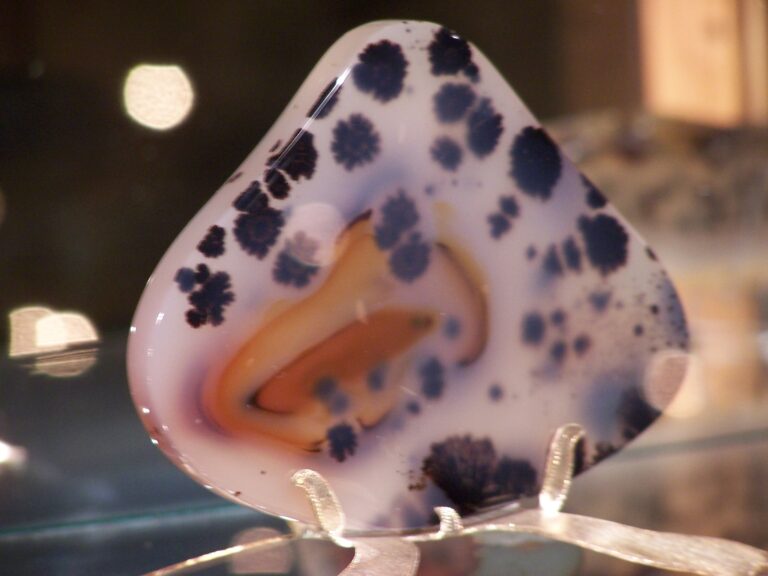
Agates are translucent: hold a stone up to the light and it glows. They have a waxy shine and a smooth, rounded surface, often with a pitted skin. Jasper looks similar but is opaque.
Questions
Where is the best place to find agates in Oregon?
The central coast around Lincoln City and Newport, the north coast at Oceanside and Short Beach, and south coast beaches such as Whiskey Run and Gold Beach, especially after winter storms.
How many agates can you take from Oregon beaches?
Up to one gallon of agates and other loose non-living items per person per day, and no more than three gallons per person per year, for personal use.
When is the best time to find agates in Oregon?
Late fall to early spring, after storms remove sand from the beaches, on a falling tide.
Back to the Oregon rockhounding guide · Rules by land type
Official sources
- Oregon Department of Geology and Mineral Industries: where this material occurs in Oregon and the rocks that host it.
- BLM Oregon/Washington State Office: rock and mineral collecting limits on BLM public land.
- USGS National Geologic Map Database (MapView): geologic maps by area.