You can start rockhounding with a bucket and good eyes, but the right kit makes trips safer and more productive. Here is what to pack, starting with the essentials and moving to extras for particular kinds of collecting.

Essentials for every trip
- Water: at least a gallon per person per day in warm weather, more in the desert
- Sun protection: hat, sunglasses and sunscreen
- Sturdy boots with ankle support
- Safety glasses
- Work gloves
- A first aid kit
- Offline maps on your phone, plus a paper map or a handheld GPS for remote areas
- Snacks and a lunch
- Bags or buckets for specimens, and newspaper or bubble wrap for fragile pieces
- A marker pen and labels to note where each find came from
Basic tools
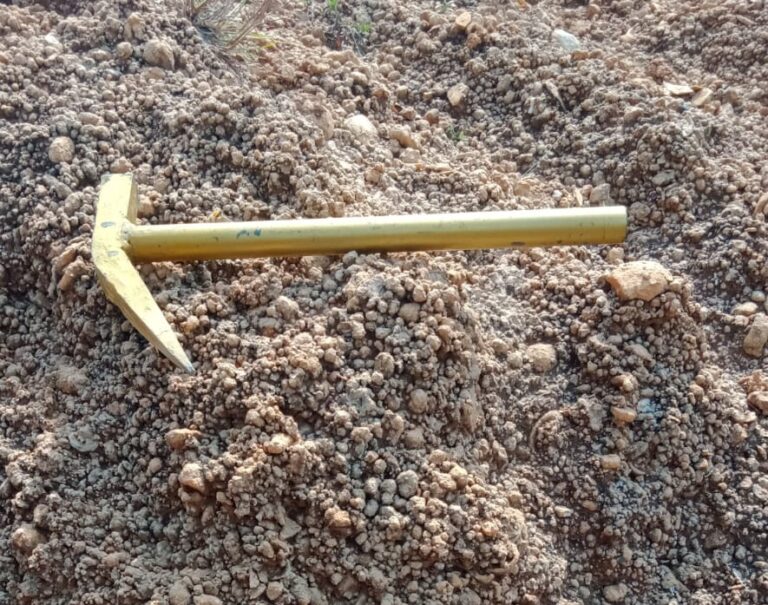
- A rock hammer (pick or chisel end)
- A cold chisel or two
- A small shovel or garden trowel
- A 10x hand lens (loupe) to look at crystals and grains
- A spray bottle of water: wet rocks show their colour and pattern
By type of collecting
Beach and river agates
- A long-handled scoop or rake
- A mesh bag
- Waterproof boots or sandals with good grip
- Tide tables for beaches
Shark teeth and small fossils
- A sifting screen or shovel sifter with a quarter-inch mesh
- Small containers for delicate finds
- A mask and snorkel for shallow rivers, where allowed
Gold panning
- A gold pan and classifier
- A small sluice where allowed
- A snuffer bottle and vials
- Waders or rubber boots
Geodes and crystals
- A pry bar and heavier chisels
- A rock pick for clay and soft rock
- Egg cartons or padded boxes for crystal points
Fluorescent minerals
- A shortwave or longwave UV light and UV-safe glasses
- A night-time plan: collecting areas can be dangerous in the dark
In the vehicle
- Extra water and food
- A spare tyre and jack, and a tyre repair kit
- Recovery gear for sand or mud on dirt roads
- A cooler
- A tarp to keep specimens from rolling around
Paperwork
- Any permit or reservation the site needs
- Printed or saved rules for the place, with the manager’s contact details
- Landowner permission in writing for private land, if possible
Browse our gear guides for field tools, tumblers and identification kit, read field safety, and check the rules by land type before you go.