Trying to identify a Montana rock should start with texture and physical properties, not a color guess. This guide covers 24 rocks, minerals and gems—from moss agate and sapphire to limestone, sandstone, quartzite, volcanic rocks and Montana’s distinctive shonkinite—then connects collectible-material clues to 12 real atlas examples.
See the materials before comparing field clues
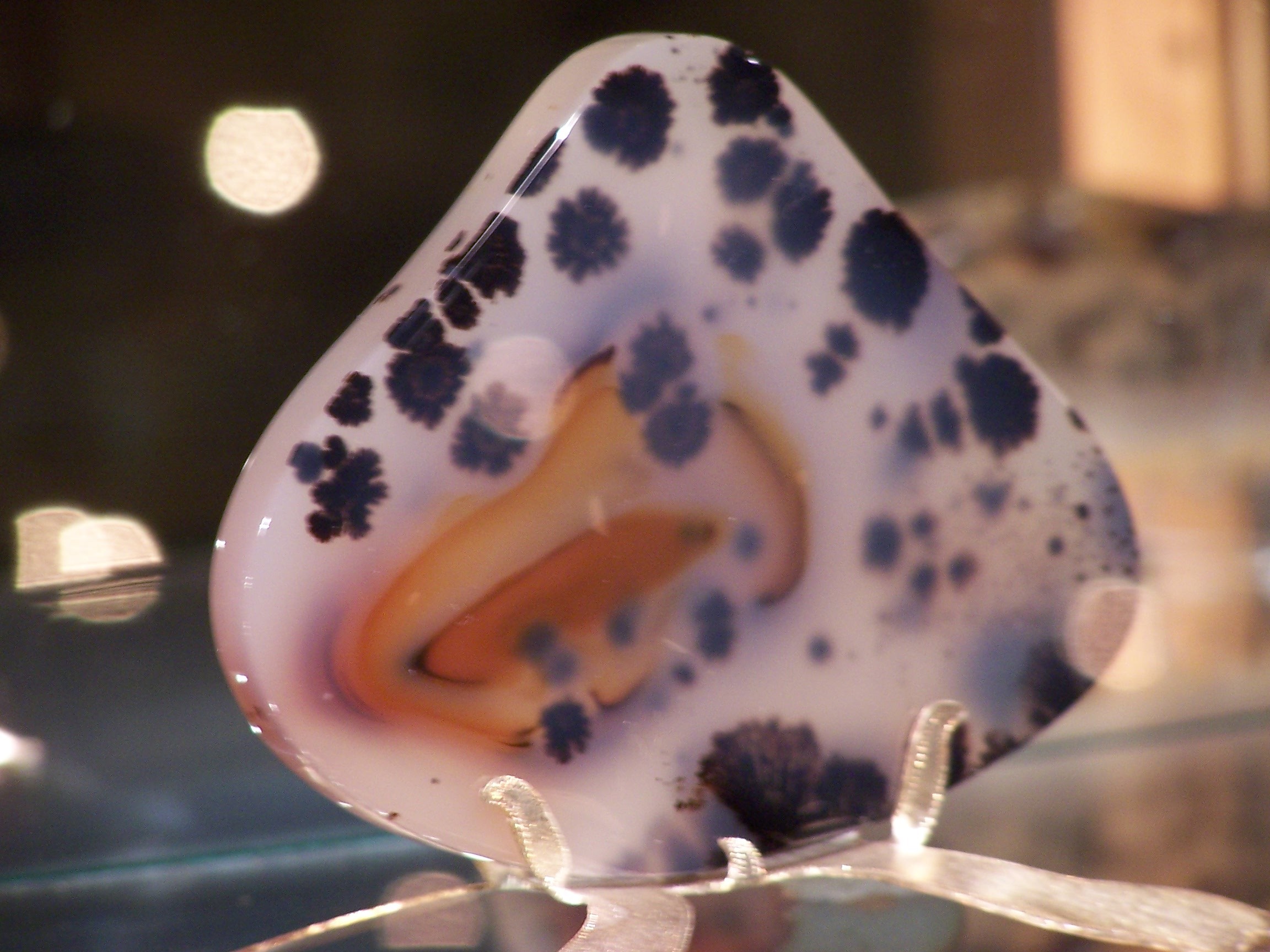
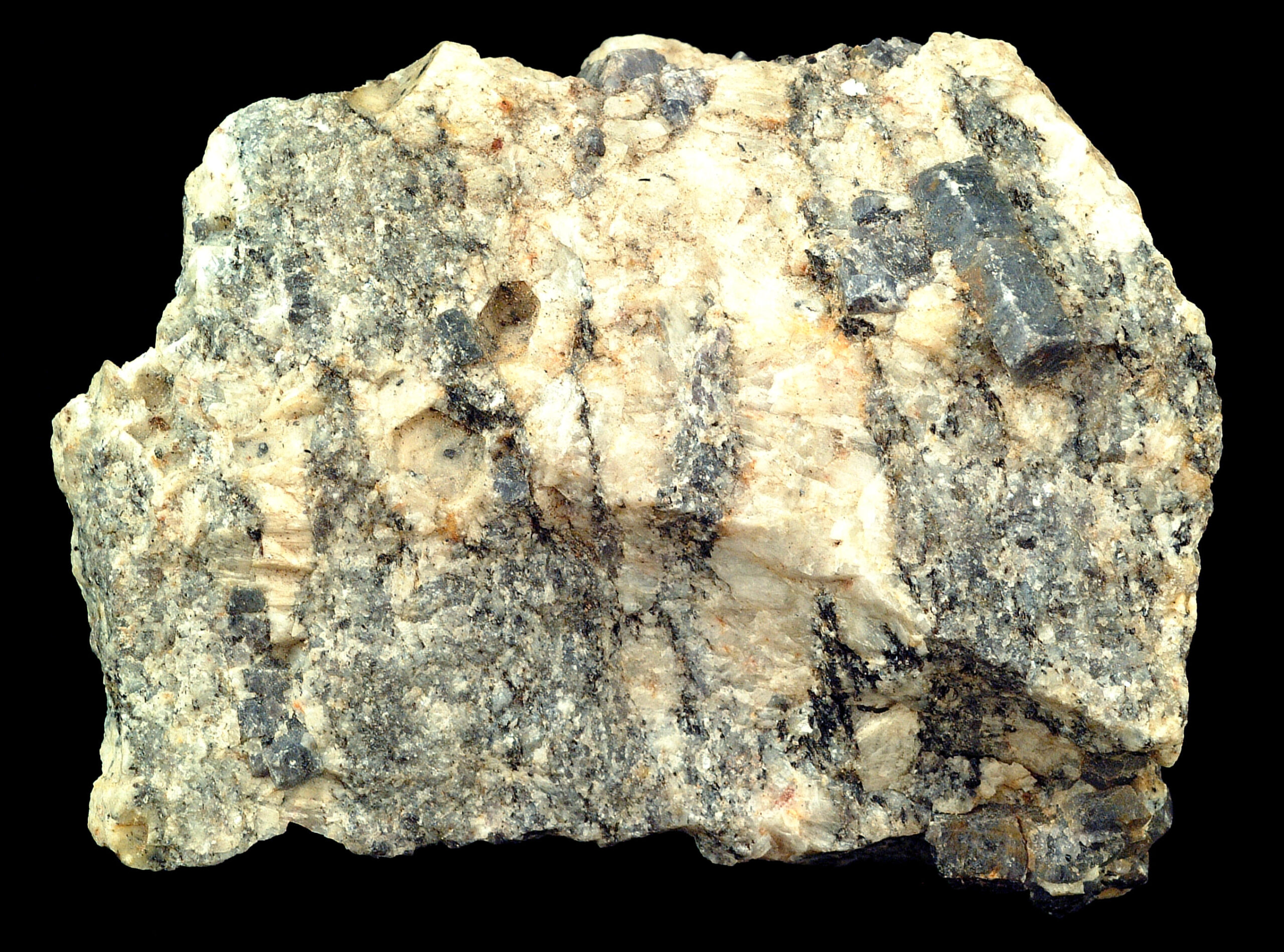
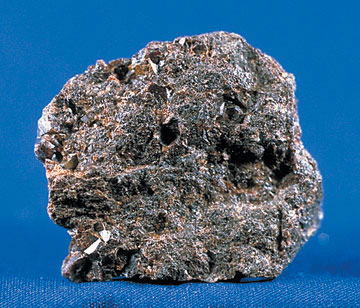
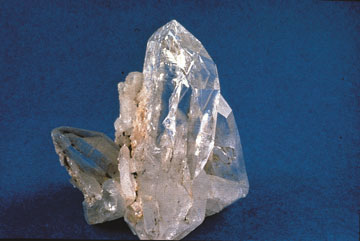
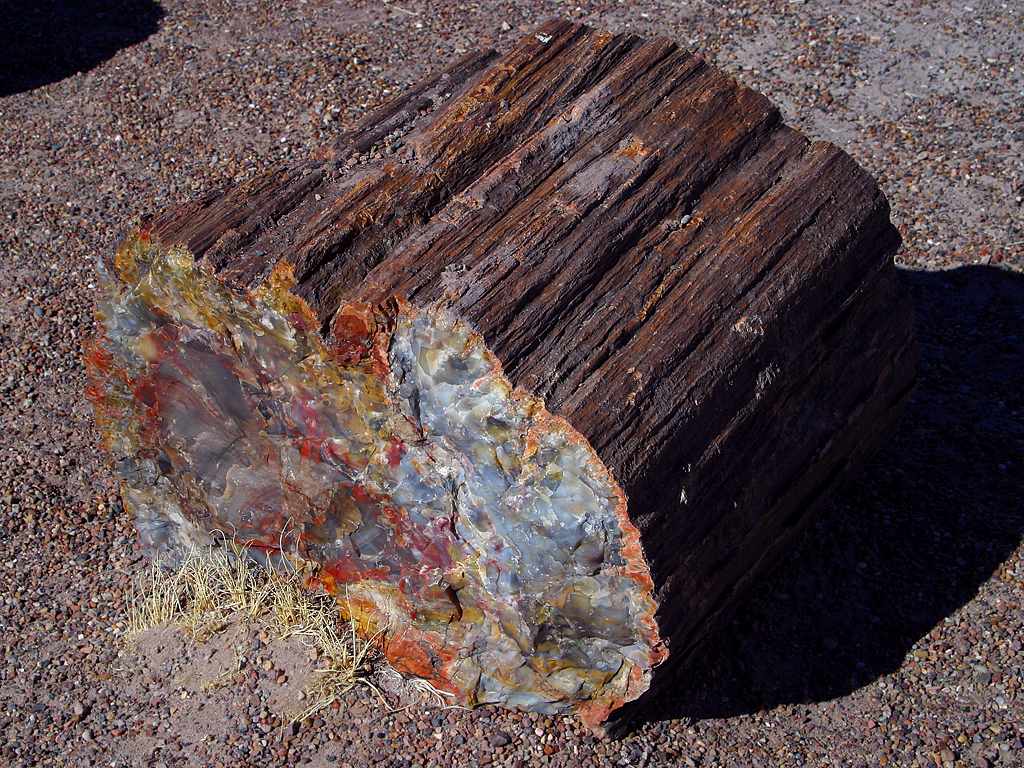
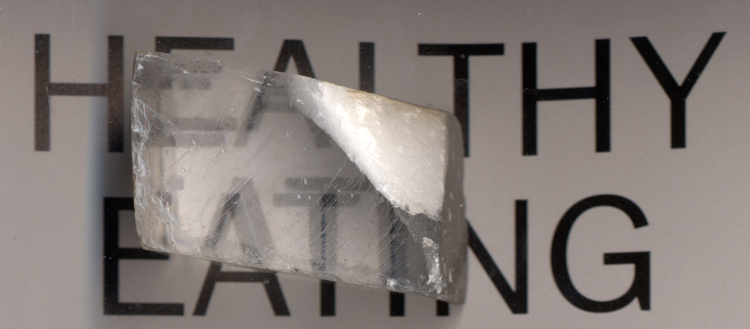
Reference specimens and field activity images. These illustrate the material being discussed and are not presented as photographs of a specific Montana collecting site.
How do I identify rocks from Montana?
Start by deciding whether you are looking at a rock, mineral, gem material, or fossil-replacement material, then combine grain size, texture, hardness, luster, fracture or cleavage, crystal form, density, and geologic context. This guide covers 24 useful Montana IDs, including moss agate, sapphire, garnet, quartz, petrified wood, limestone, sandstone, quartzite, argillite, volcanic rocks, granitic rocks, and shonkinite.
FIELD ID AT A GLANCE
Use a combination of clues, not a single color
Color is useful for noticing a rock, but it is one of the easiest traits to misread. Iron staining can turn ordinary rock orange or red. Weathering can bleach a surface. Quartz and calcite can both be white. Jasper and rhyolite can both be red. A much stronger identification uses several independent clues at once.
| Material | Approx. hardness | Strong field clue | Common look-alike |
|---|---|---|---|
| Montana moss agate | 6.5–7 | Translucent chalcedony with dendritic or moss-like inclusions | Jasper, iron-stained quartz, slag |
| Jasper | 6.5–7 | Opaque, very fine-grained silica with smooth fracture | Agate, rhyolite, iron-stained rock |
| Chalcedony | 6.5–7 | Dense microcrystalline quartz, commonly translucent at thin edges | Quartz, opal, glass |
| Quartz | 7 | Hard mineral with no cleavage; hexagonal crystals when well formed | Calcite, feldspar, glass |
| Smoky quartz | 7 | Gray to brown quartz that retains normal quartz hardness and fracture | Dark glass, smoky calcite |
| Amethyst | 7 | Purple quartz with normal quartz hardness and crystal habit | Fluorite, purple glass |
| Sapphire | 9 | Extremely hard corundum; rounded grains can occur in placer gravel | Quartz, glass, spinel |
| Garnet | 6.5–7.5 | Equant crystals, often dodecahedral, with no cleavage | Red glass, spinel, iron-rich pebbles |
| Calcite | 3 | Soft carbonate with strong rhombohedral cleavage | Quartz, gypsum, feldspar |
| Petrified wood | ~6.5–7 when silicified | Wood grain, growth structure, or bark texture preserved in mineral replacement | Banded jasper, sedimentary rock |
| Pyrite | 6–6.5 | Brassy metallic cubes or striated crystal faces; brittle, not malleable | Gold, chalcopyrite, mica |
| Barite | 3–3.5 | Unusually heavy for its size; tabular or blocky crystals | Calcite, gypsum, quartz |
| Epidote | 6–7 | Pistachio to yellow-green mineral, commonly prismatic or granular | Olivine, green tourmaline, altered rock |
| Aquamarine / beryl | 7.5–8 | Six-sided prismatic crystals; aquamarine is blue to blue-green beryl | Quartz, topaz, glass |
| Scheelite | 4.5–5 | Dense pale-to-brown mineral; many specimens fluoresce under shortwave UV | Quartz, calcite, barite |
| Native gold | 2.5–3 | Rich yellow, very dense, soft, and malleable rather than brittle | Pyrite, chalcopyrite, mica |
| Quartzite | ~7 | Very hard rock of fused quartz grains; fracture tends to cross grains | Quartz vein, sandstone, marble |
| Argillite | ~3–5 | Very fine-grained, compact metamorphosed mudrock | Shale, slate, siltstone |
| Sandstone | Variable, commonly 6–7 grains | Visible sand-sized grains; often gritty and bedded | Quartzite, siltstone, volcanic tuff |
| Limestone | ~3 | Fine to fossiliferous carbonate rock; commonly pale gray and relatively soft | Dolostone, marble, quartzite |
| Shale / siltstone | ~2–4 | Very fine sedimentary layers; shale splits into thin sheets more readily | Argillite, slate, mudstone |
| Granite / granitic rock | ~6–7 overall | Visible interlocking quartz and feldspar with mica or dark minerals | Diorite, rhyolite, quartzite |
| Basalt / andesite | ~5–6 | Dark to medium-gray fine-grained volcanic rock; vesicles or small crystals may occur | Dark limestone, slag, fine-grained intrusive rock |
| Shonkinite | ~5–6 overall | Dark coarse intrusive rock with abundant augite and potassium feldspar; a Montana type locality name | Dark syenite, gabbro-like rock, altered intrusive rock |
24 FIELD IDENTIFICATION PROFILES
Montana rocks, minerals and gems worth learning to recognize
This section deliberately goes beyond collectible gems. The existing Montana state guide already tells you which atlas records mention agate, quartz, garnet, fossils and other interests; this page instead helps you distinguish the material in your hand. The list combines rockhounding materials represented in the atlas with widespread or distinctive Montana rock types that are useful for field identification. A field ID is a working hypothesis, not a laboratory determination.
Montana moss agate
Best field clue: Translucent chalcedony with dendritic or moss-like inclusions.
Montana moss agate is a chalcedony variety strongly associated with Yellowstone River gravels. Look for dense silica, translucent edges or windows, waxy-to-glassy luster, and branching or moss-like inclusions inside the stone. River rounding and a weathered rind are common, so wetting an already loose specimen can reveal internal pattern without damaging it.
Common look-alikes: Jasper, iron-stained quartz, slag.
Continue in the atlas →Jasper
Best field clue: Opaque, very fine-grained silica with smooth fracture.
Jasper is opaque microcrystalline silica. It can be red, yellow, brown, green, cream, or multicolored, so color alone is weak evidence. A strong field ID combines high hardness, very fine grain, and smooth to conchoidal fracture. Jasper and agate can grade into one another in the same specimen.
Common look-alikes: Agate, rhyolite, iron-stained rock.
Continue in the atlas →Chalcedony
Best field clue: Dense microcrystalline quartz, commonly translucent at thin edges.
Chalcedony is microcrystalline quartz and includes agate varieties. It is usually dense, smooth, and harder than a steel knife. Thin edges may transmit light even when the center looks cloudy. Banding is not required; unbanded chalcedony is common.
Common look-alikes: Quartz, opal, glass.
Continue in the atlas →Quartz
Best field clue: Hard mineral with no cleavage; hexagonal crystals when well formed.
Quartz is one of Montana’s most useful reference minerals. It is hard enough to scratch ordinary glass, lacks cleavage, and commonly breaks with conchoidal fracture. Well-formed crystals show six-sided prisms and pointed terminations, but massive white quartz may have no obvious crystal shape.
Common look-alikes: Calcite, feldspar, glass.
Continue in the atlas →Smoky quartz
Best field clue: Gray to brown quartz that retains normal quartz hardness and fracture.
Smoky quartz is a color variety of quartz, so the reliable clues are quartz properties rather than darkness: hardness 7, vitreous luster, no cleavage, and conchoidal fracture. Transparent to translucent gray-brown color strengthens the ID when those properties agree.
Common look-alikes: Dark glass, smoky calcite.
Continue in the atlas →Amethyst
Best field clue: Purple quartz with normal quartz hardness and crystal habit.
Amethyst is purple quartz. The color can be pale or uneven, so confirm quartz hardness, lack of cleavage, and crystal form where visible. Fluorite is much softer and has strong cleavage; purple glass may show bubbles or molded surfaces.
Common look-alikes: Fluorite, purple glass.
Continue in the atlas →Sapphire
Best field clue: Extremely hard corundum; rounded grains can occur in placer gravel.
Montana sapphire can be blue, green, gray, yellow, or other colors. Color is not enough. Corundum hardness is the standout property, but potentially valuable stones should not be subjected to destructive scratch tests. Shape, density, locality, and professional confirmation matter.
Common look-alikes: Quartz, glass, spinel.
Continue in the atlas →Garnet
Best field clue: Equant crystals, often dodecahedral, with no cleavage.
Montana garnets are commonly red to brown and may occur as rounded grains or equant crystals. Look for a glassy luster, high hardness, lack of cleavage, and crystal faces when preserved. Deep red color by itself is not diagnostic.
Common look-alikes: Red glass, spinel, iron-rich pebbles.
Continue in the atlas →Calcite
Best field clue: Soft carbonate with strong rhombohedral cleavage.
Calcite is much softer than quartz and commonly breaks along three directions of rhombohedral cleavage. White or clear color is common but not diagnostic. Where testing is lawful and appropriate, hardness is a simple separator: calcite can be scratched by a steel knife, quartz cannot.
Common look-alikes: Quartz, gypsum, feldspar.
Continue in the atlas →Petrified wood
Best field clue: Wood grain, growth structure, or bark texture preserved in mineral replacement.
Petrified wood should preserve convincing biological architecture—grain, growth rings, cell-like texture, knots, or bark patterns—not merely brown striping. Silicified pieces can be as hard as quartz. Fossil and land-management rules still control whether material can be collected.
Common look-alikes: Banded jasper, sedimentary rock.
Continue in the atlas →Pyrite
Best field clue: Brassy metallic cubes or striated crystal faces; brittle, not malleable.
Pyrite is brass-yellow rather than rich gold-yellow and commonly forms cubes or other sharply faced crystals. It is harder and more brittle than native gold. A sparkling yellow mineral that crushes, splinters, or shows cubic form is behaving more like pyrite than gold.
Common look-alikes: Gold, chalcopyrite, mica.
Continue in the atlas →Barite
Best field clue: Unusually heavy for its size; tabular or blocky crystals.
Barite’s most memorable field clue is heft. Its specific gravity is high, so a modest specimen can feel unexpectedly heavy. It is relatively soft and commonly occurs in tabular or blocky forms. Heft is useful only when combined with hardness and crystal habit.
Common look-alikes: Calcite, gypsum, quartz.
Continue in the atlas →Epidote
Best field clue: Pistachio to yellow-green mineral, commonly prismatic or granular.
Epidote is commonly pistachio green to yellow-green and may be granular or prismatic. Color can attract attention, but hardness, crystal form, and host-rock context are more useful than green color alone.
Common look-alikes: Olivine, green tourmaline, altered rock.
Continue in the atlas →Aquamarine / beryl
Best field clue: Six-sided prismatic crystals; aquamarine is blue to blue-green beryl.
Beryl forms hexagonal prisms and is harder than quartz. Aquamarine is the blue to blue-green gem variety. Pale color can be subtle, so crystal form and hardness carry more weight than saturation. Valuable crystals deserve non-destructive confirmation.
Common look-alikes: Quartz, topaz, glass.
Continue in the atlas →Scheelite
Best field clue: Dense pale-to-brown mineral; many specimens fluoresce under shortwave UV.
Scheelite is a tungsten mineral that can be white, tan, yellowish, orange, or brown and is denser than its appearance suggests. UV fluorescence can be a useful supporting clue for some specimens, but fluorescence alone is not a complete identification.
Common look-alikes: Quartz, calcite, barite.
Continue in the atlas →Native gold
Best field clue: Rich yellow, very dense, soft, and malleable rather than brittle.
Native gold is heavy, soft, and malleable. Small flakes bend or flatten rather than shatter. Pyrite is harder, brassier, and brittle. Locality and placer context help, but yellow color or sparkle alone should never be treated as proof.
Common look-alikes: Pyrite, chalcopyrite, mica.
Continue in the atlas →Quartzite
Best field clue: Very hard rock of fused quartz grains; fracture tends to cross grains.
Quartzite is metamorphosed sandstone in which quartz grains have become tightly fused. It is very hard, and a fresh surface often shows a sugary or interlocking quartz texture. Unlike ordinary sandstone, it tends to break across grains rather than cleanly around them.
Common look-alikes: Quartz vein, sandstone, marble.
Continue in the atlas →Argillite
Best field clue: Very fine-grained, compact metamorphosed mudrock.
Argillite is a compact, very fine-grained metamorphosed mudrock. It is tougher and less fissile than shale but generally lacks the strong slaty cleavage of slate. Fresh surfaces are typically dull and may show subtle bedding or color bands.
Common look-alikes: Shale, slate, siltstone.
Continue in the atlas →Sandstone
Best field clue: Visible sand-sized grains; often gritty and bedded.
Sandstone is a sedimentary rock made mainly of sand-sized grains. A hand lens may reveal individual quartz or feldspar grains and cement between them. Bedding, cross-bedding, and a gritty texture are common. Quartzite is usually harder and more tightly fused.
Common look-alikes: Quartzite, siltstone, volcanic tuff.
Continue in the atlas →Limestone
Best field clue: Fine to fossiliferous carbonate rock; commonly pale gray and relatively soft.
Limestone is widespread in Montana and commonly forms pale gray cliffs and ridges. It may preserve fossils or show fine carbonate texture. Calcite-rich limestone is relatively soft compared with quartz-rich rocks. Do not use acid on protected or in-place rock; field setting and texture often provide enough context.
Common look-alikes: Dolostone, marble, quartzite.
Continue in the atlas →Shale / siltstone
Best field clue: Very fine sedimentary layers; shale splits into thin sheets more readily.
Shale and siltstone are fine-grained sedimentary rocks common in layered basins. Shale is notably fissile and tends to split along thin bedding planes; siltstone feels slightly grittier and breaks more blockily. Metamorphism can transform similar material into argillite or slate.
Common look-alikes: Argillite, slate, mudstone.
Continue in the atlas →Granite / granitic rock
Best field clue: Visible interlocking quartz and feldspar with mica or dark minerals.
Granitic rock is coarse enough that interlocking mineral grains are usually visible: light feldspar, glassy quartz, and dark mica or amphibole. Grain size and interlocking texture are stronger clues than overall pink, gray, or white color.
Common look-alikes: Diorite, rhyolite, quartzite.
Continue in the atlas →Basalt / andesite
Best field clue: Dark to medium-gray fine-grained volcanic rock; vesicles or small crystals may occur.
Basalt and andesite are volcanic rocks whose crystals are usually too small to identify easily by eye. Basalt is generally darker and more mafic; andesite is commonly medium gray. Vesicles, flow texture, and volcanic setting can support the identification, but slag can imitate both.
Common look-alikes: Dark limestone, slag, fine-grained intrusive rock.
Continue in the atlas →Shonkinite
Best field clue: Dark coarse intrusive rock with abundant augite and potassium feldspar; a Montana type locality name.
Shonkinite is an unusual alkaline intrusive rock famously associated with central Montana. In hand specimen it is typically dark and crystalline, commonly with conspicuous pyroxene and feldspar. Because precise classification can require petrographic work, use “shonkinite” cautiously outside well-established geologic context.
Common look-alikes: Dark syenite, gabbro-like rock, altered intrusive rock.
Continue in the atlas →REAL MONTANA ATLAS CONTEXT
12 places that connect the identification clues to real Montana records
The examples were chosen because each record has enough material-specific context to reinforce an identification lesson. Ready supports the modeled activity on current evidence, Conditional has a named condition to resolve, and Research is occurrence or location context only. This section is deliberately material-first; use the Montana state guide for destination planning.
Yellowstone River — Moss Agate Corridor
Material: Montana moss agate.
A material-first example for translucent chalcedony, dendritic inclusions, river rounding, and the difference between occurrence context and collecting authority.
Pryor Mountains / Bear Canyon — Agate Context
Material: Bear Canyon agate, jasper and quartz.
Useful for comparing opaque jasper with translucent agate/chalcedony and for seeing why a multi-jurisdiction landscape needs parcel-level verification.
Crystal Park Picnic and Mineral Collection Area
Material: Quartz, amethyst, smoky quartz crystals.
A direct quartz-family example. The atlas keeps the current closure/access condition visible instead of turning a mineral occurrence into an unconditional trip recommendation.
Gem Mountain Sapphire Mine
Material: Sapphires.
A structured sapphire example where the material identity is clear and the activity is modeled separately from public-land collecting.
Ruby Reservoir — Garnet Shoreline
Material: Almandine garnets.
A strong garnet reference for red-brown color, equant crystal form, high hardness, and material heft.
Indian Creek near Sheridan — Calcite
Material: White and banded calcite.
Good context for recognizing softer calcite and separating it from quartz by hardness and cleavage rather than color.
Baisch’s Dinosaur Digs
Material: Dinosaur fossils and petrified wood.
A private-program context for petrified wood and fossils. It is useful for recognition, while reservations and program-specific retention rules remain part of the field decision.
Boulder River / Bernice — Barite
Material: Cubic barite crystals.
Barite is a classic ‘surprisingly heavy’ mineral. The occurrence is useful for identification context even though the current record is research-only.
Calvert Hill Mine Area
Material: Epidote, aquamarine, scheelite, garnet.
One locality context ties together several less-common Montana mineral IDs: green epidote, beryl/aquamarine, dense scheelite, and garnet.
West of Georgetown Lake — Argillite/Quartzite
Material: Argillite and quartzite.
A rock-type comparison rather than a gem target: fine-grained argillite versus hard, fused-grain quartzite.
Libby Creek Recreational Gold Panning Area
Material: Gold.
A practical native-gold reference for metallic yellow color, density, and malleability—traits that separate gold from brittle pyrite.
Delmoe Lake Area — Quartz/Amethyst
Material: Smoky quartz and amethyst.
A second quartz-family context that reinforces why color varieties still share quartz hardness, luster, and fracture behavior.
AVOID THE EASY MISIDENTIFICATIONS
Eight Montana look-alikes worth separating
Agate vs. jasper
Agate/chalcedony usually shows at least some translucency; jasper is typically opaque. Both are silica-rich and similarly hard, and the two can grade into each other in the same specimen.
Quartz vs. calcite
Quartz is hardness 7 and lacks cleavage. Calcite is hardness 3 and commonly breaks along rhombohedral cleavage planes. White color proves neither.
Quartzite vs. massive quartz
Quartzite is a rock made of fused quartz grains; a close look may reveal granular texture. Massive quartz is a mineral mass and more often shows uniform glassy fracture.
Gold vs. pyrite
Gold is rich yellow, very dense, soft, and malleable. Pyrite is harder, brassier, often crystalline, and brittle. A flake that crushes or splinters is not behaving like native gold.
Petrified wood vs. banded jasper
Petrified wood should preserve convincing wood architecture—grain, growth structure, or bark-like texture. Jasper may imitate wood colors without preserving biological form.
Sapphire vs. colored glass
Sapphire is corundum and extremely hard. Glass is much softer and may show bubbles, molded surfaces, or unnatural shapes. Valuable candidates deserve non-destructive confirmation.
Limestone vs. quartzite
Limestone is carbonate-rich and relatively soft; quartzite is quartz-rich and extremely hard. Pale gray or white color can occur in both, so hardness and texture matter more than color.
Sandstone vs. quartzite
Sandstone commonly breaks around visible grains and may feel gritty; quartzite has fused grains and tends to fracture across them. Both may be dominated by quartz.
A BETTER FIELD ROUTINE
A 5-step way to identify a Montana find without overcalling it
River gravel, outcrop, mine context, talus, managed dig, or shoreline? Context narrows the possibilities before testing begins.
Weathering can hide luster, grain size, banding, cleavage, and true color. Use an existing chip or break when possible.
Look for translucency, bands, wood grain, cleavage planes, crystal faces, fused grains, veins, or a dense metallic appearance.
Hardness, heft, cleavage, or malleability can separate two look-alikes much more reliably than another color comparison.
A known occurrence makes an ID more plausible, not automatic. Compare your specimen with the atlas material context and keep uncertainty visible.
IDENTIFICATION ≠ COLLECTION AUTHORITY
Knowing what a rock is does not tell you whether you can take it
Those are separate questions. A research record can be excellent geological evidence and still be a poor collecting recommendation. Montana also includes protected landscapes, active or historic mining areas, mixed public/private ownership, and resources such as fossils that can carry extra restrictions. Use the Montana state guide and Rules & Access guide before turning identification into a field plan.
CHOOSE THE RIGHT NEXT GUIDE
Continue through the atlas based on what you want to do next
COMMON QUESTIONS
Montana rock identification: quick answers
What rocks, minerals and gems is Montana best known for?
Montana is especially associated with moss agate, sapphire, garnet, quartz-family material, petrified wood, and gold-related collecting history. The atlas also contains more localized contexts for calcite, barite, epidote, aquamarine/beryl, scheelite, argillite, and quartzite.
How can I identify a Montana moss agate?
Look for dense chalcedony with translucent areas and internal dendritic or moss-like inclusions. River rounding and a weathered rind are common, but the strongest clue is internal structure rather than orange, brown, or clear color alone.
How do I tell quartz from calcite in Montana?
Quartz is hardness 7 and does not show calcite’s strong rhombohedral cleavage. Calcite is hardness 3 and can be scratched by a steel knife. Use natural broken surfaces before considering any destructive test.
Are all blue Montana stones sapphires?
No. Color alone is not enough. Sapphire is corundum, hardness 9, and should be evaluated using hardness, crystal form, density, locality, and professional confirmation when the specimen may be valuable.
Does Montana have an official state rock?
Current official Montana state-symbol listings identify sapphire and agate as the state gemstones and do not list a separate official state rock. This guide therefore treats sapphire and agate as the official gemstone symbols rather than assigning a separate state-rock label.
Where can I find these rocks in Montana?
Use the Montana state guide. This page focuses on identification; the state guide covers trip planning, current Ready/Conditional records, access context, and the interactive map.
Can I collect every rock or mineral shown on this page?
No. A material occurrence does not create collecting permission. Check the exact parcel, manager or owner, claims, closures, protected-resource rules, and the collecting method you intend to use.
What should I do if a specimen might be valuable?
Avoid destructive testing. Photograph it, record the locality legally and accurately, compare several non-destructive properties, and seek a qualified mineral or gem identification when value depends on the result.