Indiana Rock & Fossil Identification: 18 Materials to Know
Indiana’s field identity is built around Salem Limestone, world-class Devonian fossil exposures, south-central geodes, calcite and dolomite, karst, glacial gravels and limited placer-gold contexts. The critical distinction is between legal collecting piles or permit-based recreation and protected in-place geology.
What should I look for in Indiana?
Prioritize oolitic Salem Limestone, ooids, calcite, dolomite, geodes, quartz, chalcedony, chert, rugose and tabulate corals, brachiopods, crinoids, bryozoans, fossil molds, plant fossils, ironstone concretions, glacial erratics and placer-gold indicators.
Identify likely materials using texture, hardness, cleavage, structure and locality context.
Assume that a mineral occurrence, park, mine district or public road creates collecting permission.
The Indiana state guide for current map status, access evidence and regional planning.
FAST COMPARISON
Indiana rock and mineral identification table
| Material | Field clue | Indiana context |
|---|---|---|
| Salem Limestone | Oolitic texture with small rounded carbonate grains. | Bedford–Bloomington limestone belt |
| Ooids | Tiny rounded carbonate grains. | Salem Limestone |
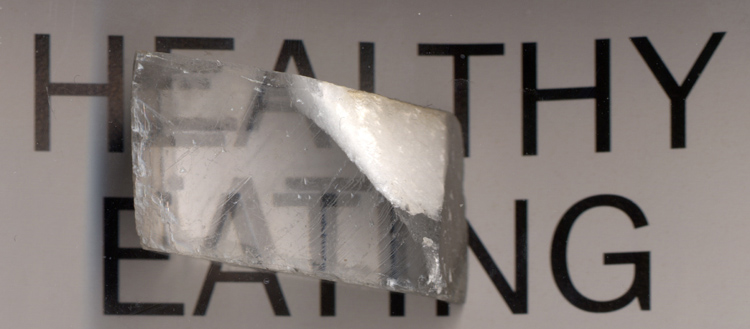
| Calcite | Hardness 3 and rhombohedral cleavage. | Limestone, veins and geodes |
| Dolomite | Carbonate mineral and rock-forming component. | Dolostone and geode contexts |
| Geodes | Rounded nodules with crystal-lined cavities. | South-central Indiana |
| Quartz | Hardness 7, glassy luster, no cleavage. | Geode interiors and gravels |
| Chalcedony | Dense microcrystalline silica lining geodes. | Geode walls and chert-like material |
| Chert | Dense silica with conchoidal fracture. | Limestone and river gravel |
| Rugose coral | Horn-shaped or colonial coral fossils. | Devonian fossil beds |
| Tabulate coral | Colonial coral with repeated corallites. | Falls of the Ohio and carbonate units |
| Brachiopods | Shell fossil symmetric through each valve. | Ordovician and Devonian rocks |
| Crinoids | Disk-like stem segments with central holes. | Marine limestone |
| Bryozoans | Branching or net-like colonial fossils. | Marine carbonate rock |
| Fossil molds and casts | Negative impressions or internal fills after shells dissolve. | Limestone and shale |
| Pennsylvanian plant fossils | Leaf, stem and bark impressions. | Coal and shale context |
| Ironstone concretions | Dense iron-rich nodules in shale or coal measures. | Pennsylvanian context |
| Glacial erratics | Rock transported from distant source areas by ice. | Northern and central Indiana |
| Placer-gold indicators | Heavy-mineral concentrations, black sand and dense grains. | Glacially derived streams |
MATERIAL-BY-MATERIAL GUIDE
18 Indiana rocks, minerals, gems and fossils to know
Salem Limestone
Indiana’s classic dimension stone is a fossiliferous limestone with distinctive ooids.
Ooids
Ooids form by concentric carbonate coating and give oolitic limestone its texture.
Calcite
Calcite may form large clear or white crystals in cavities.
Dolomite
Dolomite can resemble calcite but differs in chemistry and typical reaction strength.
Geodes
Indiana geodes may contain quartz, calcite, chalcedony and accessory minerals.
Quartz
Quartz commonly forms clear or milky geode crystals.
Chalcedony
Chalcedony may form smooth gray or white geode linings.
Chert
Chert is widespread in carbonate terrain and can be transported in rivers.
Rugose coral
Internal radial septa help identify rugose corals.
Tabulate coral
Tabulate corals can form honeycomb-like or branching colonies.
Brachiopods
Brachiopods are common Indiana marine fossils.
Crinoids
Crinoid columnals often weather free as small circular pieces.
Bryozoans
Tiny repeated zooecial openings create characteristic textures.
Fossil molds and casts
Shells may disappear while preserving external or internal shape.
Pennsylvanian plant fossils
Southern Indiana coal-bearing units may preserve plant fossils and ironstone concretions.
Ironstone concretions
Concretions may host or occur near plant fossils.
Glacial erratics
Erratics can include igneous and metamorphic rocks unlike Indiana bedrock.
Placer-gold indicators
Indiana placer-gold contexts are generally small and glacially derived.
REAL ATLAS CONTEXT
Open Indiana records that show these materials in context
These are live atlas records with explicit evidence statuses. A Research or Protected record is useful for identification and geology but is not a collecting recommendation.
Falls of the Ohio Quarry Collecting Piles
Material: quarry-derived rocks and fossils
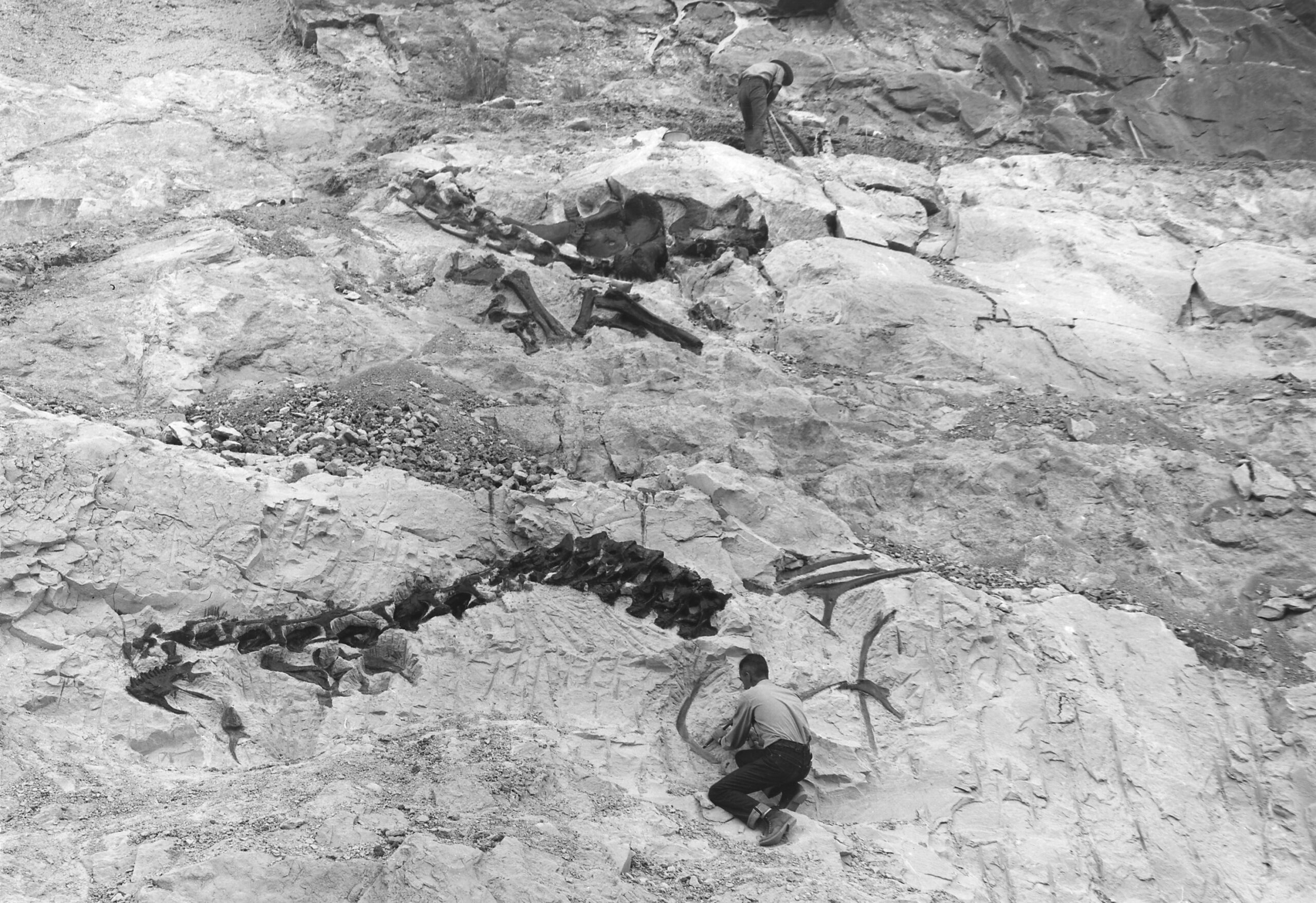
This guide separates designated collecting material from the protected in-place fossil beds.
Falls of the Ohio Fossil Beds & River Bank
Material: Devonian coral, brachiopod and limestone fossil beds
World-class identification context, but the in-place resource is protected.
South-Central Indiana Geode Belt
Material: geodes with quartz, calcite and chalcedony
Use for regional geology; exact land access and collecting authority remain separate.
Indiana State Forest Recreational Gold Panning Permit
Material: glacial placer-gold prospecting
A permit or site condition still controls the field decision.
Bedford–Bloomington Oolitic Limestone District
Material: oolitic Salem Limestone, fossils and calcite
Strong material and industrial-geology context without implying quarry access.
AVOID THE EASY MISIDENTIFICATIONS
5 Indiana look-alikes worth separating
Calcite vs quartz
Calcite is hardness 3 and cleaves; quartz is hardness 7 and fractures.
Geode vs concretion
A geode contains a cavity lined by minerals; a concretion can be solid throughout.
Rugose coral vs random porous limestone
Coral shows organized repeated skeletal structure; weathered pores do not.
Brachiopod vs bivalve
Brachiopods are typically symmetric through each valve, while bivalves are symmetric between the pair of valves.
Gold vs pyrite or mica
Gold is dense and malleable; pyrite is brittle and mica flakes are lightweight and flexible.
A BETTER FIELD ROUTINE
A 5-step way to identify a Indiana find without overcalling it
Note whether the specimen came from bedrock, gravel, quarry material, a managed dig, shoreline, mine context or glacial sediment.
Weathering can hide luster, grain size, fossil structure and cleavage. Use an existing chip or break when possible.
Look for crystal faces, cleavage, banding, fossil architecture, cavities, fused grains, vesicles or metallic texture.
Hardness, heft, cleavage, malleability or fossil symmetry often separates two look-alikes better than color.
A known occurrence makes an ID more plausible, not automatic. Keep uncertainty visible and use the atlas record as context.
IDENTIFICATION ≠ COLLECTION AUTHORITY
Knowing what a specimen is does not tell you whether you can take it
Indiana Geological and Water Survey materials emphasize the state’s major limestone, karst and fossil resources, including the exceptionally important Falls of the Ohio fossil beds. The atlas keeps protected in-place geology separate from quarry-derived collecting piles, private quarries and permit-based panning.
CHOOSE THE RIGHT NEXT GUIDE
Continue through the atlas based on what you want to do next
COMMON QUESTIONS
Indiana rock identification: quick answers
What rock is Indiana best known for?
The Salem Limestone of the Bedford–Bloomington district is one of Indiana’s defining geologic and building-stone materials.
Where can I see major fossil beds?
The Falls of the Ohio fossil-bed guide covers the protected in-place Devonian fossil context.
Where can I collect fossils near Falls of the Ohio?
Use the separate quarry collecting piles guide; do not transfer that permission to the protected fossil beds.
Does Indiana have geodes?
Yes. The atlas includes a south-central geode belt and Ramp Creek Formation research contexts with quartz, calcite and chalcedony.
Is gold prospecting possible in Indiana?
The atlas includes glacial placer contexts and a state-forest permit record. Treat panning as site- and permit-specific rather than statewide permission.
Why are glacial stones different from local bedrock?
Continental ice transported rock from distant source areas, so Indiana gravels can contain igneous and metamorphic erratics not formed locally.