Find where 24 popular rocks, minerals and fossils have been recorded across the United States. Each page lists the places, the states with the most sites, and each site’s collecting status, using the same records as the USA Rockhounding map.

| Rock or mineral | Mapped sites | States |
|---|---|---|
| Fossils | 3,240 | 48 |
| Quartz | 321 | 44 |
| Gold | 259 | 28 |
| Petrified Wood | 138 | 16 |
| Calcite | 123 | 30 |
| Agate | 101 | 25 |
| Geodes | 68 | 15 |
| Garnet | 64 | 20 |
| Jasper | 61 | 29 |
| Crystals | 60 | 25 |
| Mica | 53 | 19 |
| Shark Teeth | 52 | 13 |
| Chalcedony | 52 | 18 |
| Copper | 49 | 15 |
| Beryl, Aquamarine & Emerald | 39 | 11 |
| Pyrite | 36 | 13 |
| Fluorite | 29 | 10 |
| Diamonds | 26 | 9 |
| Tourmaline | 17 | 4 |
| Sapphire | 16 | 5 |
| Opal | 11 | 5 |
| Turquoise | 7 | 3 |
| Amethyst | 9 | 5 |
| Obsidian | 5 | 2 |
Prefer a map? Open the interactive USA rockhounding map and filter by material, or find sites near you.
How to use these pages
Each page counts the places on the map where that material has been recorded, then splits them by status. Ready means current evidence supports collecting there. Conditional means you must sort out something first, such as a permit, a fee or the owner’s permission. Research only means the place is known for the material, but collecting rights are not confirmed. Always read a site’s status and rules before you go.
Gemstones and gem minerals
Garnet, sapphire, beryl (aquamarine and emerald), tourmaline, opal, turquoise, amethyst and diamonds are mostly found at fee-dig mines or on private ground. Crater of Diamonds State Park in Arkansas and the Montana sapphire digs are well-known places where the public can pay to search.
Quartz family and crystals
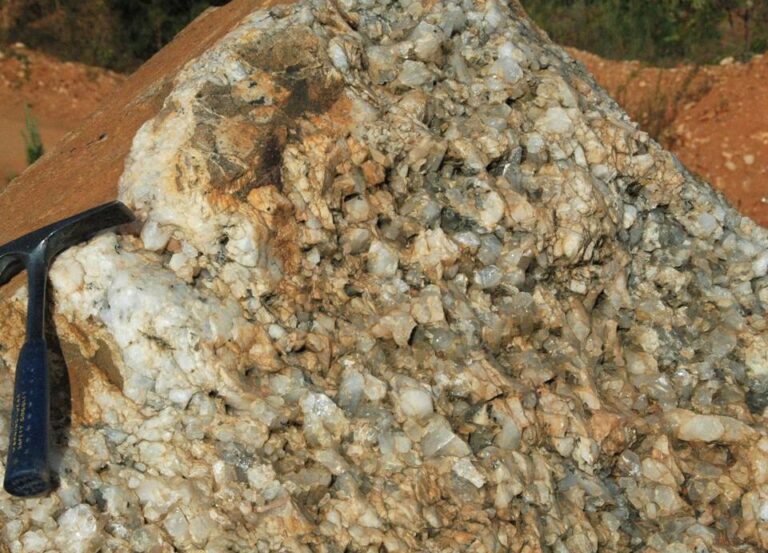
Quartz, amethyst, agate, jasper, chalcedony, geodes and petrified wood all belong to the quartz family. They are the most common finds on public land in the West, where the BLM allows small amounts to be collected for personal use. Arkansas quartz and New York’s Herkimer “diamonds” are popular fee-dig crystals in the East.
Fossils
Fossils are the most widely recorded material on the map. Shark teeth, brachiopods, crinoids and trilobites can be collected at many beaches, road cuts and fee quarries. Vertebrate fossils, such as dinosaur bones, cannot be collected on federal public land without a permit.
Metals and ore minerals
Gold, copper, pyrite, fluorite and mica are found in old mining districts. Many of these sites are on mining claims or private land, so check ownership first. For gold, see the gold prospecting guides.
Rocks and minerals FAQ
What is the most common thing to find when rockhounding in the USA?
Fossils are recorded at more places than any other material, followed by quartz and gold.
Where can I collect rocks legally?
Most BLM land in the West is open to small-scale personal collecting. National parks are closed to collecting. State parks, national forests and private land each have their own rules, so check the rules and access guide.
Do I need a permit to collect rocks?
Not for small personal-use amounts on most BLM land. Fee mines include access in their price. Commercial collecting and vertebrate fossils always need a permit.