Rhode Island Rock, Mineral & Fossil Identification Field Guide
Use physical properties, geology and live atlas context together. This guide groups the main Rhode Island material families represented by the current atlas and links them to real records with evidence status.
What should I look for in Rhode Island?
Start with Cumberlandite & Iron-Titanium Rocks, Westerly Granite & Quarry Stone, Quartz, Pegmatite & Feldspar, Garnet & Metamorphic Minerals, Coastal Cobble, Chert & Beach Gravel, Glacial Erratics & Till, Sedimentary & Fossil Geology, Historic Mine & Mineral Research. A material match is only an identification clue; the individual atlas record still controls the access and permission decision.
Compare hardness, cleavage, texture, crystal form, fossil structure and locality context.
Assume a mineral occurrence, park, mine, quarry or public road creates collecting permission.
The Rhode Island state guide for current status, regional hubs and land context.
FAST COMPARISON
Rhode Island rock and mineral identification table
| Material family | Field clue | Atlas signal |
|---|---|---|
| Cumberlandite & Iron-Titanium Rocks | Use texture, hardness, cleavage and locality together. | 12 matching records |
| Westerly Granite & Quarry Stone | Interlocking quartz and feldspar with mica/dark minerals. | 28 matching records |
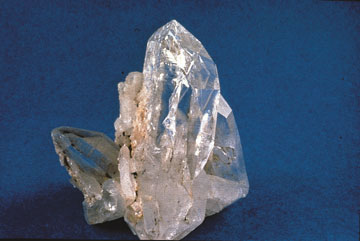
| Quartz, Pegmatite & Feldspar | Hardness 7, glassy luster, no cleavage. | 11 matching records |
| Garnet & Metamorphic Minerals | Hard, dense crystals with no cleavage. | 9 matching records |
| Coastal Cobble, Chert & Beach Gravel | Rounded mixed sediment and wave-worn material. | 39 matching records |
| Glacial Erratics & Till | Mixed rock types transported far from their source. | 15 matching records |
| Sedimentary & Fossil Geology | Repeated biological structure, symmetry or preserved anatomy. | 17 matching records |
| Historic Mine & Mineral Research | Use texture, hardness, cleavage and locality together. | 170 matching records |
MATERIAL-BY-MATERIAL GUIDE
Rhode Island material families to know
Cumberlandite & Iron-Titanium Rocks
Do not identify by color alone; compare at least two physical properties.
Rhode Island field context: Rhode Island's state rock is associated with Cumberland's Iron Mine Hill geology; rare outcrops and private ownership require explicit permission.
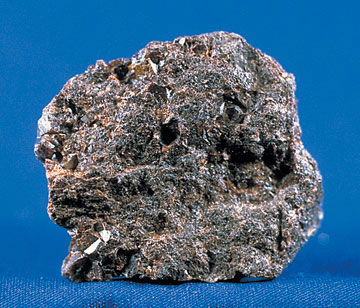
Current atlas: 12 matching records. Examples: Iron Mine Hill Cumberlandite — Permission-Gated Context, Cumberlandite Geology Research.
Westerly Granite & Quarry Stone
Use igneous texture and grain proportions.
Rhode Island field context: Historic Westerly quarry stone is a research subject; active or reclaimed quarries are not casual collection sites.
Current atlas: 28 matching records. Examples: Rhode Island Private Quarry/Mineral Club Field Trips, Diamond Hill Town Park — Collecting Prohibited.
Quartz, Pegmatite & Feldspar
Check fracture, hardness and host rock.
Rhode Island field context: Crystalline rocks in the northern uplands contain common silica minerals but require parcel-level access checks.
Current atlas: 11 matching records. Examples: Mount Hope Bay Shore — Mineral/Beach-Gravel Context, Moosup River Mineral Gravels — Rights/Disturbance Gate.
Garnet & Metamorphic Minerals
Use crystal form, hardness and host rock.
Rhode Island field context: Garnet and associated metamorphic minerals can be identified in bedrock or float without assuming extraction is permitted.
Current atlas: 9 matching records. Examples: Moosup River Mineral Gravels — Rights/Disturbance Gate, Rhode Island Private Quarry/Mineral Club Field Trips.
Coastal Cobble, Chert & Beach Gravel
Expect transported shell, quartz, fossil and gravel mixtures.
Rhode Island field context: Ocean-sorted glacial material may include hard quartz and jasper-like stones; beach management and habitat restrictions control removal.
Current atlas: 39 matching records. Examples: Mount Hope Bay Shore — Mineral/Beach-Gravel Context, Moosup River Mineral Gravels — Rights/Disturbance Gate.
Glacial Erratics & Till
Erratics may not match local bedrock.
Rhode Island field context: Glacial transport explains mixed stone types across the state, with many accessible sites protected.
Current atlas: 15 matching records. Examples: Mount Hope Bay Shore — Mineral/Beach-Gravel Context, Rhode Island Public Shoreline — Loose Stone/Beach-Gravel Context.
Sedimentary & Fossil Geology
Look for organized shell, bone, track or plant structure.
Rhode Island field context: Fossil and Carboniferous geology are mostly research contexts; rare specimens should not be removed from protected sites.
Current atlas: 17 matching records. Examples: Beavertail State Park — Coastal Geology Viewing Only, Fort Wetherill State Park — Coastal Geology Viewing Only.
Historic Mine & Mineral Research
Do not identify by color alone; compare at least two physical properties.
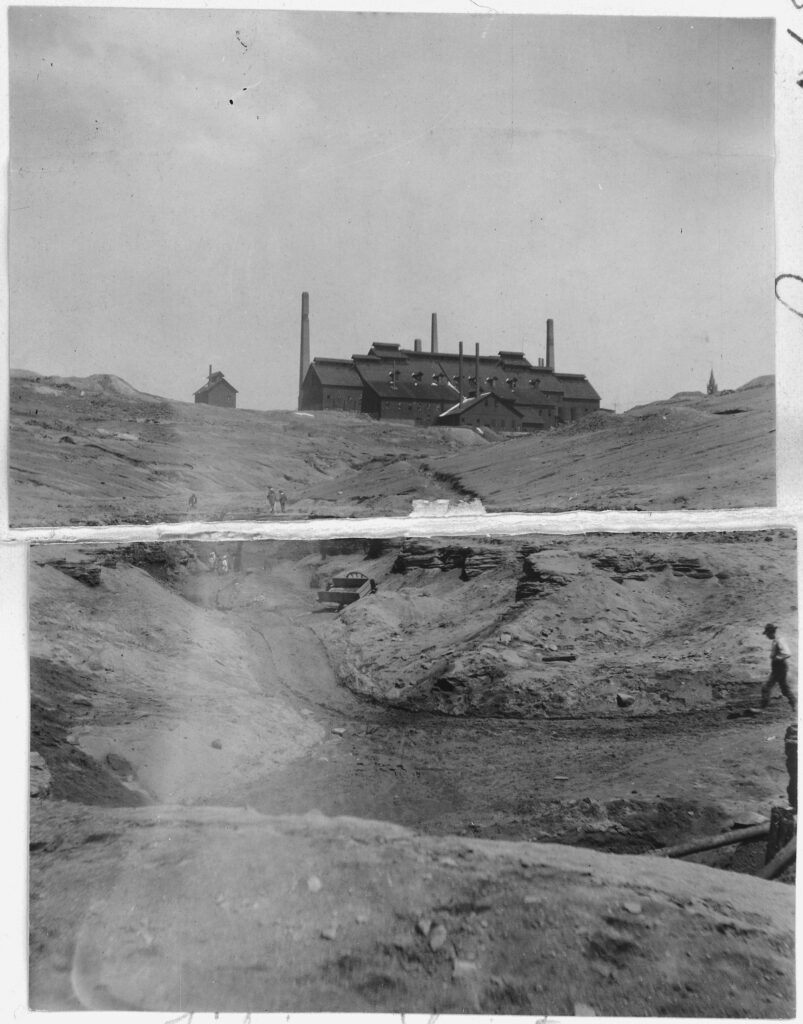
Rhode Island field context: Legacy mine workings and industrial heritage localities may be dangerous and privately held.
Current atlas: 170 matching records. Examples: Mount Hope Bay Shore — Mineral/Beach-Gravel Context, Moosup River Mineral Gravels — Rights/Disturbance Gate.
AVOID THE EASY MISIDENTIFICATIONS
Rhode Island look-alikes worth separating
Cumberlandite & Iron-Titanium Rocks
Weathering and man-made material can imitate a single clue.
Westerly Granite & Quarry Stone
Quartz-rich metamorphic rock can look similar.
Quartz, Pegmatite & Feldspar
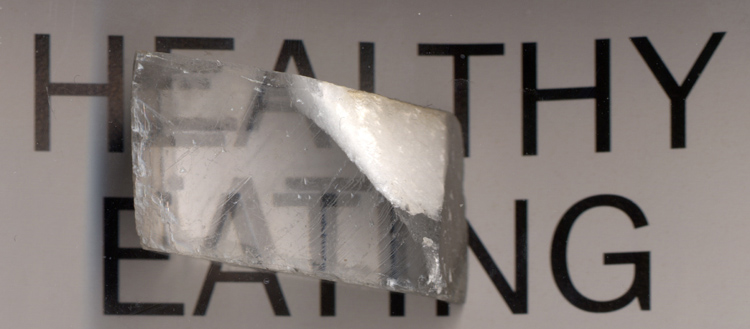
Calcite is softer; feldspar cleaves.
Garnet & Metamorphic Minerals
Dark glass and iron-rich grains can mislead.
Coastal Cobble, Chert & Beach Gravel
Beach material may not be local bedrock.
Glacial Erratics & Till
Do not assume a nearby source.
REAL ATLAS CONTEXT
Open Rhode Island records that put identification into context
These live records may be Ready, Conditional, Research or Protected. Status matters more than simple proximity.
Mount Hope Bay Shore — Mineral/Beach-Gravel Context
Material: quartz, jasper, chalcedony-like cobbles, hematite and glacial beach gravel
Moosup River Mineral Gravels — Rights/Disturbance Gate
Material: garnet, epidote, feldspar, pyrite, serpentine and stream gravel
Iron Mine Hill Cumberlandite — Permission-Gated Context
Material: Cumberlandite and associated iron-titanium minerals
Rhode Island Private Quarry/Mineral Club Field Trips
Material: quartz, feldspar, garnet, sulfides, metamorphic and quarry minerals
Rhode Island Public Shoreline — Loose Stone/Beach-Gravel Context
Material: quartz, jasper, agate-like cobbles, glacial erratics and beach gravel
Beavertail State Park — Coastal Geology Viewing Only
Material: coastal bedrock, glacial and structural geology
A BETTER FIELD ROUTINE
A 5-step way to identify a Rhode Island find without overcalling it
Note whether the specimen came from bedrock, gravel, a managed dig, quarry context, shoreline, river or glacial sediment.
Weathering can hide luster, grain size, fossil structure and cleavage.
Look for crystal faces, cleavage, banding, fossil architecture, cavities, fused grains or vesicles.
Hardness, heft, cleavage, magnetism or biological symmetry usually beats color.
A known occurrence makes an ID more plausible, not automatic. Keep uncertainty visible.
REGIONAL CONTEXT
Use Rhode Island regional hubs to narrow the geology
Material identity becomes more reliable when you know the regional geology and access context.
IDENTIFICATION ≠ COLLECTION AUTHORITY
Knowing what a specimen is does not tell you whether you can take it
Use the state guide’s Ready, Conditional, Research and Protected status system before making a field decision. The same material can be collectible at one managed site and protected at another.
FIELD KIT
A practical identification kit for Rhode Island
Inspect grain size, cleavage, crystal faces and fossil detail.
Use simple scratch comparisons conservatively and avoid damaging valuable specimens.
Useful for iron-rich minerals and heavy-mineral concentrates.
Document location, host rock and field relationships before moving a specimen.
Keep specimens tied to their exact context; an unlabeled rock loses much of its evidence value.
CHOOSE THE RIGHT NEXT GUIDE
Continue through the atlas based on what you want to do next
COMMON QUESTIONS
Rhode Island rock identification: quick answers
What materials should I learn first?
Start with Cumberlandite & Iron-Titanium Rocks, Westerly Granite & Quarry Stone, Quartz, Pegmatite & Feldspar, Garnet & Metamorphic Minerals, Coastal Cobble, Chert & Beach Gravel, Glacial Erratics & Till because those families are strongly represented in the current state inventory.
Does a mapped occurrence mean I can collect there?
No. Occurrence, public access and collecting authority are three different questions. Open the individual record and verify its current status.
How should I use a Research record?
Use it to understand geology, likely materials and regional context. It is not a collecting recommendation until access and authority are established.
What does Protected/viewing mean?
The location is useful for geology or identification context, but the atlas does not recommend specimen removal there.
What is the fastest way to avoid a bad identification?
Ignore color as the sole clue. Combine hardness or cleavage with texture, crystal structure or fossil architecture and locality geology.
Where should I go next?
Open the Rhode Island state guide, choose the nearest regional hub, then open a single location guide before travel.